Rooted in Purpose: Meet the Georgia Women Turning Backyard Botanicals Into Thriving Wellness Brands
Drive through the Georgia countryside in late spring and the air tells you something the highway signs don't. Honeysuckle along the fence rows. Sweetgrass warming in the sun. Pine resin drifting down from the longleaf canopy. It smells, unmistakably, like home — if home happens to be one of the most botanically generous states in the country.
For a growing number of Georgia women, that scent isn't just nostalgia. It's inventory.
From the foothills of the Blue Ridge to the coastal marshes near Brunswick, female entrepreneurs are building wellness businesses anchored in what's actually growing around them — sourcing from local farms, foraging responsibly, and crafting products that smell and feel distinctly Georgian. Their work sits at the intersection of aromatherapy, botanical skincare, and natural fragrance, and it's attracting customers who are hungry for something more grounded than what's sitting on a chain store shelf.
Why Georgia, Why Now
Georgia is home to more than 4,000 native plant species — an extraordinary number for a single state. Its climate ranges from temperate mountain forests in the north to subtropical lowlands in the south, meaning the botanical diversity here is genuinely remarkable. Lavender, rosemary, lemon balm, and native roses grow well across much of the state. Cedar, pine, and sweetgrass are abundant in the south. Tulip poplar, black cohosh, and wild bergamot thrive in the mountain counties.
For years, most of that botanical wealth went untapped by commercial wellness producers, who defaulted to imported essential oils from France, Bulgaria, or Morocco. But a shift is underway.
"People are starting to ask where things come from," says Tanya Brewer, who founded her botanical skincare line, Pinelands & Petal, out of her home studio in Waycross four years ago. "They want to know who grew the lavender. They want a connection to the product. And honestly, I think Georgia-grown ingredients tell a better story than anything I could import."
Brewer sources beeswax and raw honey from a small apiary 12 miles away, wildcrafts pine resin from her own property, and grows a cutting garden of calendula, chamomile, and rose geranium that fuels her facial oil line. Her bestseller — a pine resin and calendula salve — has developed a cult following among outdoor workers and hikers across the Southeast.
Building a Business on Local Sourcing
The economics of local botanical sourcing are complicated, and these entrepreneurs are candid about that. Georgia-grown essential oils cost more than imported equivalents, and small-batch production means higher per-unit costs across the board. But several of the women we spoke with described a business model that works precisely because customers are willing to pay for authenticity.
"I don't compete with the big wellness brands," says Simone Hartley, who runs Magnolia & Root from a converted barn outside Macon. "I'm not trying to. My customers want something handmade, local, something that has a human behind it. That's a different product entirely."
Hartley's line focuses on aromatherapy blends and room sprays built around Georgia-grown ingredients: sweetgrass hydrosol, Georgia cedar essential oil, and wild-harvested pine needle infusions. She sells primarily through farmers markets, a small e-commerce shop, and a monthly subscription box she launched two years ago that now ships to customers in 22 states.
"The subscription box was a game changer," she says. "People outside Georgia are genuinely curious about what grows here. They want to experience the landscape through scent."
For Hartley, local sourcing isn't just a marketing angle — it's a supply chain philosophy. She maintains relationships with six growers across middle Georgia and adjusts her seasonal offerings based on what's actually available. When the lavender crop runs short, she pivots to lemon balm. When the cedar harvest is good, she leans into woodsy blends. The business moves with the seasons in a way that feels, she says, more honest than anything else she's done.
The Craft of Georgia Aromatherapy
Creating high-quality aromatherapy products from locally sourced botanicals requires more than good intentions. It demands real knowledge of plant chemistry, distillation, and blending — skills these women have largely taught themselves through a combination of formal training and years of hands-on experimentation.
Jasmine Polk, who operates a small distillery and apothecary in the North Georgia mountains near Ellijay, spent three years apprenticing with an herbalist before launching her own line of single-origin essential oils and hydrosols. Her current offerings include tulip poplar leaf hydrosol, wild bergamot essential oil, and a cold-pressed botanical facial serum featuring locally grown rosehip and calendula.
"The mountain plants up here have a different character than what you'd get from the same species grown somewhere else," she says. "Altitude, soil, rainfall — it all affects the chemical profile of the oil. Our wild bergamot smells nothing like what you'd buy in a bottle from a distributor. It's brighter, more complex."
Polk recently began offering small-group distillation workshops on her property, teaching participants how to build a basic still, identify local botanicals worth distilling, and create simple blends for home use. The workshops sell out months in advance.
Practical Guidance: Creating Your Own Georgia-Inspired Blends
You don't need a commercial distillery to start exploring aromatherapy rooted in Georgia botanicals. Here are a few accessible starting points these entrepreneurs recommend:
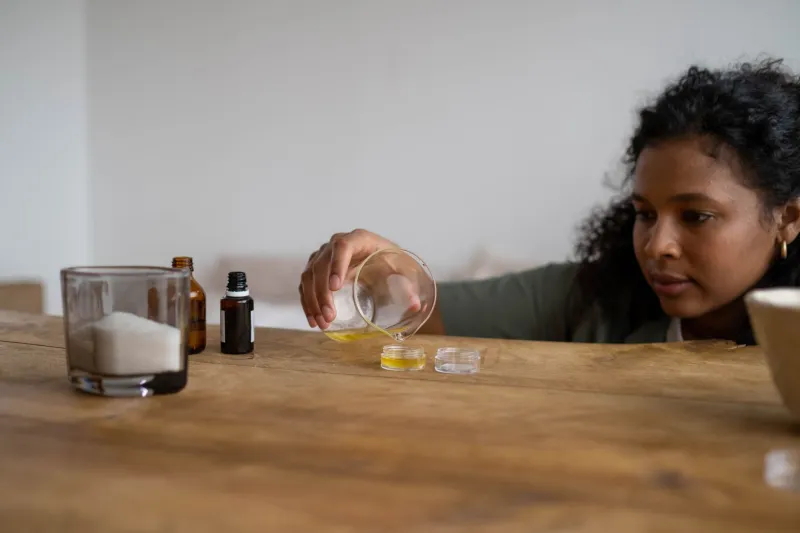
Start with hydrosols. If you're new to botanical products, hydrosols (the water byproduct of steam distillation) are gentler, more affordable, and easier to work with than essential oils. Look for Georgia-sourced lavender or rose hydrosols at local farmers markets, or make your own using a simple stovetop setup with fresh herbs from your garden.
Grow what's native. Lemon balm, rosemary, bee balm, and native roses all thrive in Georgia gardens with minimal care. Growing your own source material connects you to the product in a way that purchasing never quite does — and fresh herbs make excellent infused oils for skincare.
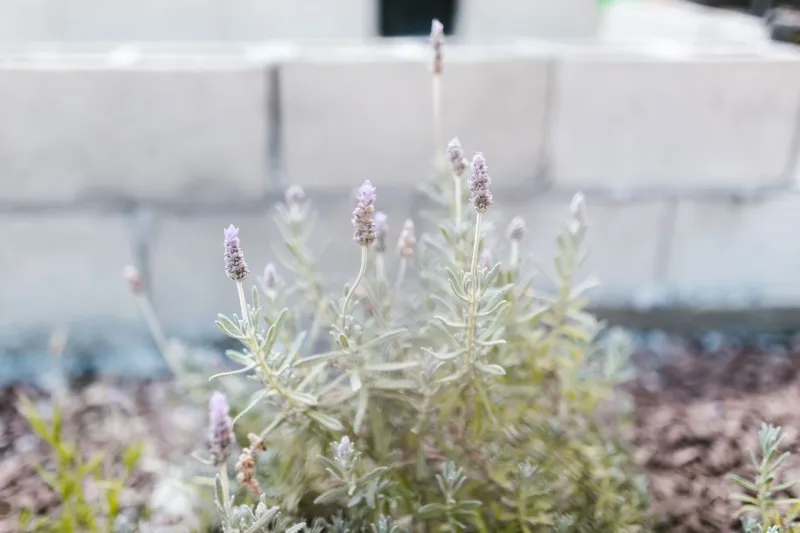
Blend with intention. When combining essential oils, start simple: two or three notes at most. For a distinctly Georgia-inspired blend, try pairing Georgia cedar (grounding, woody) with lemon balm (bright, herbaceous) and a touch of lavender (calming, floral). This combination works beautifully in a diffuser or diluted in a carrier oil for a chest rub.
Support local makers. The fastest way to access Georgia-grown aromatherapy products is to shop small. Many of the entrepreneurs profiled here sell online and ship nationwide. Buying from them directly supports local sourcing and keeps this regional botanical economy growing.
More Than a Business
What strikes you most when you talk to these women isn't the entrepreneurial hustle — though there's plenty of that. It's the sense of purpose that runs underneath everything they do. They're not just making products. They're making an argument for a different kind of wellness: one that's tied to place, season, and community rather than global supply chains and mass production.
"Georgia gave me everything I needed to do this work," says Tanya Brewer. "The plants, the land, the people who grow things here. I feel like my job is just to pay attention and make something worth sharing."
In a wellness industry often dominated by trends and imported ingredients, that kind of rootedness feels like its own kind of medicine.