Roots, Blooms & Healing Scents: The Georgia Plants Your Wellness Routine Has Been Missing
When most people think of Georgia, their minds go straight to peaches, peanuts, and porch swings. But spend any time wandering the state's back roads — through the red clay hills of the Piedmont or the mossy river bottoms of the coastal plain — and you'll start to notice something else entirely: an astonishing variety of aromatic plants quietly doing their thing, season after season, just like they have for hundreds of years.
Native healers, enslaved herbalists, Appalachian grannies, and small-town apothecaries all understood what modern wellness culture is just beginning to rediscover. Georgia's soil grows some of the most therapeutically potent herbs and flowers on the continent. You just have to know where to look.
Below, we're profiling eight plants — native species and heritage cultivars alike — that thrive in Georgia's climate and deserve a serious spot in your aromatherapy and natural wellness practice.
1. Southern Wild Mint (Mentha spp. and Pycnanthemum spp.)
Forget the cultivated spearmint in your grocery store. Georgia's native mountain mint (Pycnanthemum muticum) is a whole different creature — sharper, more medicinal, and absolutely electric on the nose. It grows in sunny meadows and along creek banks across the state, and once you crush a leaf between your fingers, you'll never forget the scent.
Therapeutically, mountain mint contains high levels of pulegone and menthol compounds that make it a powerhouse for respiratory support. Herbalists have long used it as a steam inhalant for congestion and as a cooling compress for headaches. You can also dry the leaves and add them to homemade sachets or drawer liners — the scent lingers beautifully for months.
Growing tip: Mountain mint is remarkably easy to establish in Georgia gardens. It prefers full sun and average soil, spreads readily, and is drought-tolerant once established. Look for starts at the Georgia Native Plant Society's annual sales.
2. Magnolia (Magnolia grandiflora)
The Southern magnolia is Georgia's most iconic tree, and it's so much more than a pretty face. The flowers carry a rich, slightly citrusy fragrance that's been used in perfumery for centuries. But lesser known is the bark's traditional medicinal role — Cherokee healers used magnolia bark preparations for everything from anxiety relief to digestive support.
Modern research has validated some of these uses. Magnolia bark extract contains honokiol and magnolol, compounds studied for their calming and anti-inflammatory properties. The flowers themselves can be infused into carrier oils to create a luxurious, aromatic body oil with a genuinely Southern soul.
Sourcing locally: Many Georgia nurseries carry native magnolia varieties. If you're not growing your own, look for magnolia bark products from small-batch herbalists at the Savannah Farmers Market or Atlanta's Morningside Farmers Market.
3. Georgia Lavender
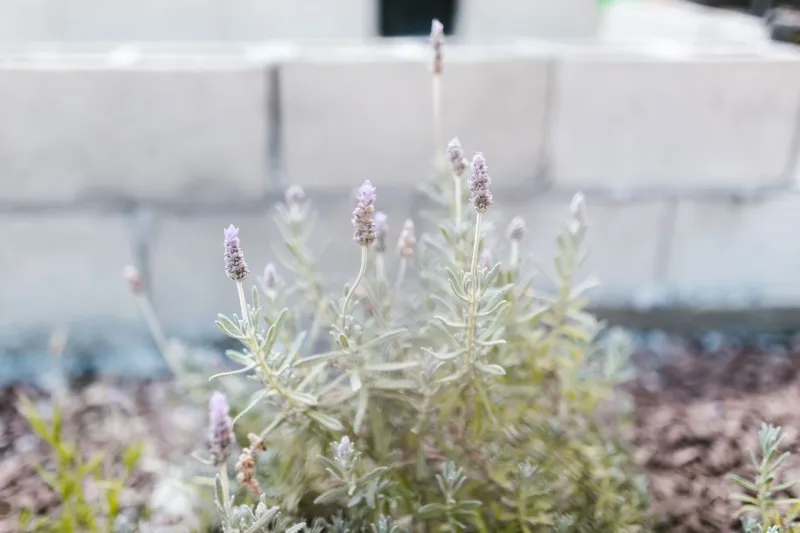
Yes, lavender grows in Georgia — and it grows beautifully. The state's long growing season and well-drained sandy soils in certain regions suit Lavandula angustifolia varieties surprisingly well. Small lavender farms have been quietly popping up across North Georgia, particularly around the Blue Ridge area, offering u-pick experiences and locally distilled essential oils.
Lavender's therapeutic credentials are well established: it's calming, sleep-supporting, and a gentle aid for stress and mild anxiety. But there's something special about Georgia-grown lavender. The terroir — the combination of red clay soil, humid summers, and cool mountain nights — gives the essential oil a slightly warmer, earthier character than French or Oregon varieties.
Visit: Lavender farms in Ellijay and Dahlonega regularly host harvest events in June and July. It's worth making a day trip to pick your own and support the state's growing specialty herb economy.
4. Elderberry (Sambucus canadensis)
American elderberry is native to Georgia and practically grows itself along fence rows, stream banks, and woodland edges statewide. Every part of this plant has traditional uses — the flowers for calming teas and skin-soothing infusions, the berries for immune-supporting syrups that became a Southern household staple long before elderberry went mainstream.
Aromatically, elder flowers are delicate and honeyed, with a faintly musky green note that's wonderful in homemade hydrosols or floral waters. The berries, of course, have become one of the most researched natural immune modulators in recent years.
DIY idea: Simmer fresh elder flowers in distilled water for 20 minutes, strain, and use the cooled liquid as a gentle facial toner. It's as Georgia as it gets, and your skin will thank you.
5. Lemon Balm (Melissa officinalis)
Lemon balm has naturalized across much of Georgia and grows so enthusiastically that some gardeners consider it a weed. That's a mistake. This herb — a member of the mint family — produces a bright, lemony fragrance loaded with rosmarinic acid and calming volatile compounds. It's one of the oldest documented remedies for stress, nervous tension, and sleep disruption.
Dried lemon balm makes an exceptional tea, and a strong infusion can be added to bathwater for a genuinely relaxing soak. Essential oil of lemon balm (sometimes sold as melissa oil) is one of the most expensive in aromatherapy — so growing your own is a real luxury move.
6. Bee Balm / Oswego Tea (Monarda spp.)
Bee balm is another Georgia native with a spectacular aromatic profile — somewhere between oregano, thyme, and bergamot, with a wild herbal edge that's hard to pin down. Cherokee and Creek peoples used various Monarda species for respiratory infections, fever management, and as a poultice for skin issues.
The dried flowers and leaves make a potent herbal tea that supports immune function and has mild antimicrobial properties. In aromatherapy, the essential oil is used to encourage focus and ease mental fatigue. Plant it in your garden and the hummingbirds will love you for it.
7. Passionflower (Passiflora incarnata)
Maypop, as Georgians have always called it, is one of the most striking wildflowers in the state — and one of the most underappreciated wellness plants in the American South. The intricate purple-and-white blooms appear from June through September along roadsides and in open fields, and the leaves and flowers have a long history as a gentle sedative and anxiety reliever.
Contemporary herbalists recommend passionflower for nervous tension, racing thoughts at bedtime, and general overstimulation. The dried herb makes a mild, pleasant tea. It's not strongly aromatic, but in blended herbal preparations it plays beautifully with more fragrant partners like lavender and lemon balm.
8. Sweetgrass (Hierochloe odorata)
Sweetgrass holds a sacred place in the cultural heritage of coastal Georgia, particularly in the Gullah Geechee communities of the Sea Islands. It's been woven into baskets, burned as incense, and used ceremonially for centuries. The scent — a warm, vanilla-like, almost hay-sweet fragrance — comes from coumarin compounds that develop as the grass dries.
As an aromatic plant, sweetgrass is genuinely one-of-a-kind. It's used in smudging practices, as a natural air freshener, and in handcrafted products from small Gullah artisans. Purchasing sweetgrass products directly from Gullah-Geechee makers in the Lowcountry isn't just a wellness choice — it's a meaningful act of cultural support.
How to Source These Plants Responsibly
Wild-harvesting is tempting, but sustainability matters. Several of these species — particularly sweetgrass and elderberry — face pressure from overharvesting in certain areas. Here's how to do it right:
- Shop local plant sales. The Georgia Native Plant Society hosts events statewide where you can buy ethically propagated starts.
- Visit specialty herb farms. North Georgia has a growing cluster of small herb farms that sell both plants and dried products.
- Check your local farmers market. Atlanta, Savannah, Augusta, and Columbus all have robust farmers markets with herbal vendors.
- Grow your own. Most of the plants on this list are genuinely easy to cultivate in Georgia's climate. Start with lemon balm, mountain mint, or passionflower — all three are practically foolproof.
Georgia's healing landscape has always been here. It just takes a little curiosity — and maybe a good pair of walking shoes — to find it.