Grow Local, Breathe Better: The Case for Georgia-Grown Essential Oils Over Imported Blends
Walk into any wellness boutique in Atlanta or Savannah and you'll find shelves lined with oils from Morocco, France, and Madagascar. Fancy labels. Exotic origins. Premium price tags. It's a beautiful display — but here's the thing nobody's talking about: some of the most potent, therapeutically complex aromatic plants in the country are growing right here in Georgia, and most of us are walking right past them.
The Peach State isn't just famous for its fruit. Its remarkable diversity of ecosystems — from the Blue Ridge foothills in the north to the Okefenokee Swamp in the south — creates growing conditions that coax extraordinary aromatic chemistry out of native plants. The question isn't whether Georgia botanicals can compete with imported oils. The question is why we ever assumed they couldn't.
What Makes Georgia's Climate So Special for Aromatic Plants
Aromatherapy insiders often talk about terroir — the same concept wine lovers use — to explain why the same plant species can smell completely different depending on where it's grown. Temperature swings, humidity, soil composition, and even the microorganisms in the ground all influence the concentration and character of a plant's volatile compounds, the very molecules that give essential oils their scent and therapeutic punch.
Georgia sits in a sweet spot. The northern mountains offer cool nights and acidic, mineral-rich soils. The Piedmont region delivers that famous red clay, loaded with iron and a slow-draining quality that stresses plants just enough to push them toward higher resin production. Down in the coastal plain and the marshes, humidity and heat create a lush, almost tropical intensity. Few states in the continental US can claim that kind of botanical range within a single border.
For aromatic plants, stress is often a feature, not a bug. Plants that have to work a little harder tend to produce more of the essential oils that protect them — and those are exactly the compounds we're after.
Pine, Magnolia, and Sweet Bay: Georgia's Aromatherapy Trifecta
Let's get specific, because this is where it gets genuinely exciting.
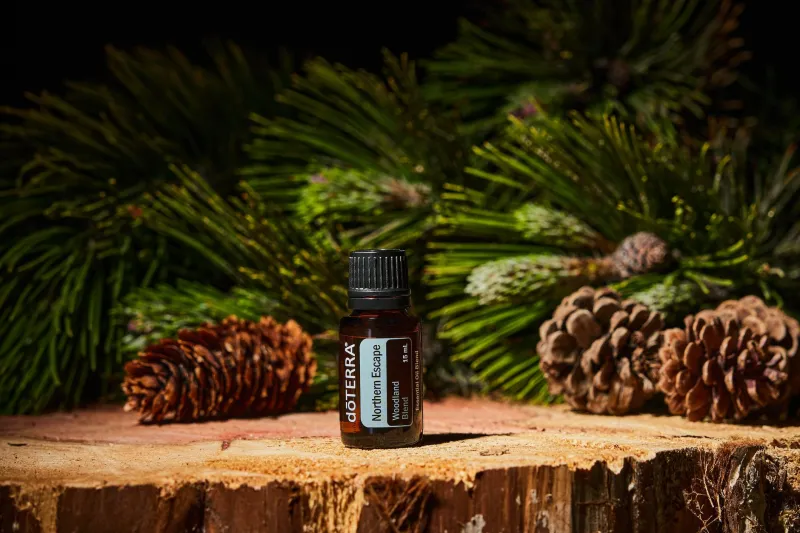
Longleaf and Loblolly Pine have been part of Georgia's landscape — and its economy — for centuries. Pine essential oil distilled from Georgia-grown trees carries a crisp, resinous quality with high concentrations of alpha-pinene, a compound well-studied for its anti-inflammatory and respiratory support properties. Compared to some imported pine oils that can smell sharp or synthetic, Georgia pine tends to have a warmer, slightly earthy undertone that aromatherapists describe as grounding and deeply calming.
Southern Magnolia (Magnolia grandiflora) is practically Georgia's floral mascot, and it turns out the blossoms are an absolute treasure for perfumers and aromatherapists. Magnolia absolute and essential oil are rich in linalool and cineole — compounds associated with relaxation and mental clarity — and the Southern variety has a creamier, more complex scent profile than many East Asian magnolia species used in commercial production. A handful of small Georgia distillers have started producing small-batch magnolia oil, and demand is quietly outpacing supply.
Sweet Bay Laurel (Laurus nobilis) grows wild in Georgia's coastal areas and river swamps, and it's one of the most underappreciated aromatherapy plants in the Southeast. Bay laurel oil is warming, slightly spicy, and traditionally used for muscle aches, respiratory congestion, and even emotional courage during stressful periods. Grown in Georgia's humid lowlands, the leaves develop a particularly robust oil content. If you've only ever used dried bay leaves from a grocery store spice rack, smelling a freshly distilled Georgia bay oil is a genuinely eye-opening experience.
What Local Distillers Are Actually Saying
The small-batch distillation scene in Georgia is still young, but it's growing fast. Herbalists and plant distillers working in the north Georgia mountains and along the coastal plain are increasingly vocal about what they're seeing in their stills.
The common theme? Freshness and traceability change everything. When you're working with plant material harvested that morning, distilled the same afternoon, and bottled without sitting in a shipping container for six weeks, the resulting oil is chemically livelier. Aromatic molecules are volatile by nature — they degrade with heat, light, and time. Local sourcing dramatically shortens that chain.
There's also the transparency factor. With an imported oil, you're often trusting a long, opaque supply chain. With a Georgia-grown product, you can frequently talk directly to the person who grew the plant, harvested it, and ran the still. That kind of accountability matters for anyone serious about what they're putting on their skin or diffusing into their home.
The Sustainability Argument You Can't Ignore
Beyond the therapeutic case, there's a straight-up environmental one. Shipping essential oils from overseas carries a significant carbon footprint, and some of the world's most popular aromatherapy crops — frankincense, sandalwood, rosewood — are under serious ecological pressure due to overharvesting.
Georgia's native botanicals, by contrast, are largely abundant and well-adapted to their environment. Sourcing locally means lower transportation emissions, support for regional ecosystems, and economic investment in Georgia's small farmers and herbalists rather than overseas industrial operations. When you buy a bottle of Georgia pine or sweet bay oil from a local distiller, you're participating in a regional food and wellness economy that genuinely needs your support.
Slow wellness and slow food share the same philosophy: know your source, value the process, and recognize that proximity and care produce something that mass production simply cannot replicate.
How to Start Exploring Georgia Botanicals at Home
You don't need to become a distiller to start shifting your aromatherapy practice toward local sourcing. A few practical starting points:
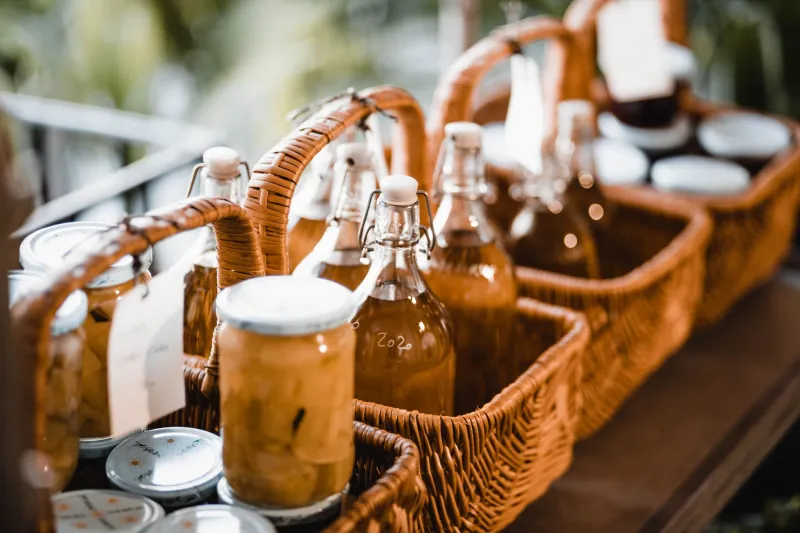
- Visit farmers markets in Atlanta, Athens, Savannah, and Asheville (just over the Georgia-NC line) — more herbalists and botanical producers are showing up with hydrosols, tinctures, and small-batch oils than ever before.
- Look for Georgia-grown labels on any botanical product. Some producers are explicit about provenance; don't hesitate to ask if they're not.
- Try a hydrosol before an essential oil. Hydrosols — the aromatic water left over after distillation — are gentler, less concentrated, and often more affordable. Georgia pine and magnolia hydrosols are a beautiful, approachable entry point.
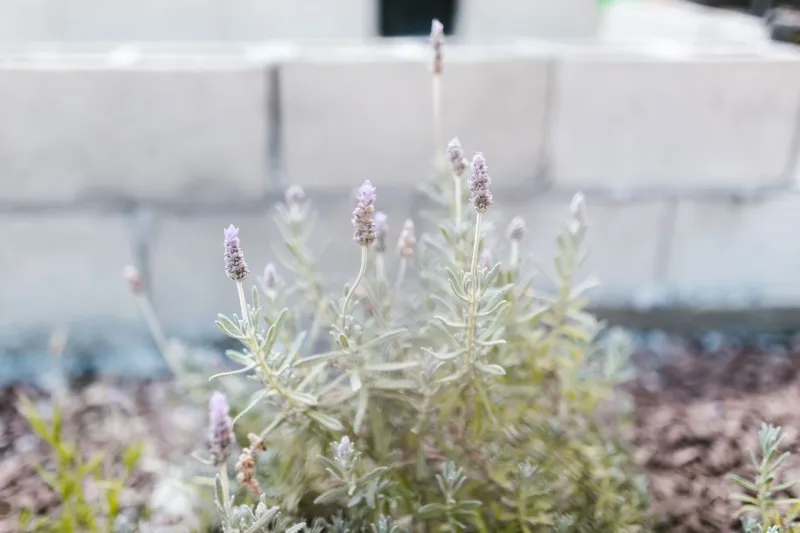
- Grow your own. Sweet bay laurel, lemon balm, and several species of native mint thrive in Georgia gardens. Even a small patio planter gets you closer to the source.
The best aromatherapy doesn't always come from the farthest away. Sometimes it's growing in the tree line at the edge of your yard, or waiting for you at a Saturday market two towns over. Georgia's botanical heritage is extraordinary — and it's about time we started treating it that way.