Put Up or Stay Sick: How Georgia's Preservation Traditions Are the Original Wellness Pantry
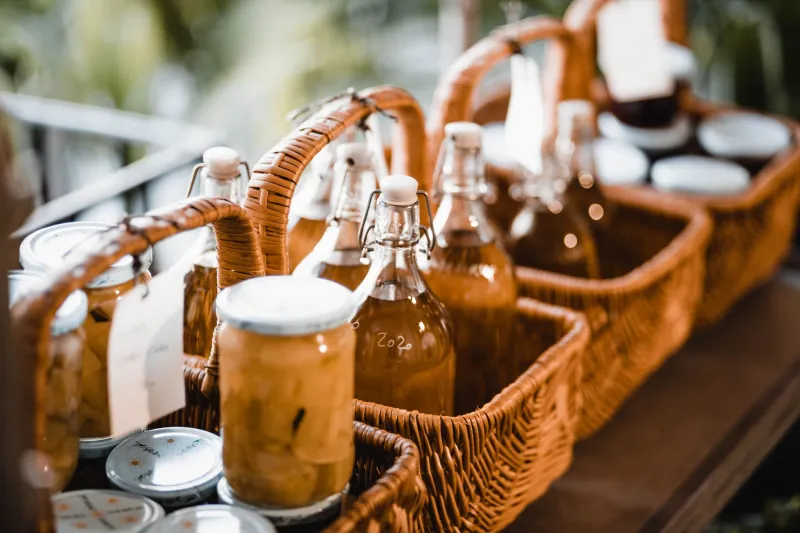
There's an old Southern expression — put up or shut up — that in the context of the kitchen meant something entirely different from the way we use it today. To "put up" food was an act of survival, of foresight, of love. You preserved the summer so you could survive the winter. You fermented the harvest so its goodness would stretch across the lean months. And somewhere in that process, without anyone calling it "wellness," generations of Georgia families were building some of the most sophisticated natural health systems imaginable.
We've spent the last few decades outsourcing that knowledge to supplement companies and wellness brands. It's time to take it back.
The Philosophy Behind the Pantry
True wellness isn't a product. It's a practice — and more specifically, it's a relationship with the land, the seasons, and the ingredients that grow near you. That philosophy runs deep in Georgia's food culture, from the Cherokee and Creek peoples who cultivated and preserved native plants long before European settlement, to the Appalachian communities of the north Georgia mountains who treated fermentation as both nutrition and medicine, to the Gullah Geechee traditions of the coastal Lowcountry where wild plants and slow cooking were inseparable from healing.
Building a Georgian wellness pantry isn't about romanticizing poverty or hardship. It's about recognizing that the slow, seasonal, hands-on approach to food preservation contains genuine nutritional and therapeutic wisdom — wisdom that modern science is increasingly validating.
Fermented foods feed your gut microbiome. Infused honeys deliver plant compounds in a shelf-stable, bioavailable form. Dried herbs retain volatile oils that support everything from digestion to sleep. These aren't folk myths. They're biochemistry that your great-grandmother understood intuitively, even if she'd never heard the word probiotic.
Muscadine Grapes: Georgia's Fermentation Superstar
If you grew up in Georgia, you know the smell of muscadine season — that musky, almost tropical sweetness that hangs in the air in late August and September. The muscadine (Vitis rotundifolia) is native to the Southeast and has been growing wild in Georgia's forests for thousands of years. It's also, it turns out, one of the most antioxidant-rich fruits in North America.
Muscadines are extraordinarily high in resveratrol, ellagic acid, and quercetin — compounds associated with cardiovascular health, anti-inflammatory activity, and immune support. And the best way to preserve those compounds through the winter? Fermentation.
Simple Muscadine Shrub (Drinking Vinegar) A shrub is a sweetened vinegar syrup that you mix with sparkling water or use as a base for mocktails and tonics. It's one of the easiest fermentation-adjacent projects you can do at home, and it keeps for months in the refrigerator.
- Mash 2 cups of ripe muscadines and combine with 1 cup of raw cane sugar. Let sit at room temperature for 48 hours, stirring occasionally, until the sugar dissolves and the mixture becomes syrupy.
- Strain out the solids, then add 1 cup of raw apple cider vinegar to the liquid. Stir well, bottle, and refrigerate.
- Use 2 tablespoons per glass of sparkling water. The result is tart, fruity, and genuinely refreshing — and each sip is delivering a payload of polyphenols that your gut will appreciate.
For a more traditional fermented muscadine wine or vinegar, the process takes longer but the rewards are proportionally greater. Many north Georgia homesteaders and small wineries are reviving these traditions, and it's worth seeking them out.
Hot Peppers and Fire Cider: Appalachian Immune Tonic
Georgia's Appalachian communities have long used pungent, warming foods as cold-season medicine. Fire cider — a spicy, vinegar-based tonic made with hot peppers, horseradish, garlic, ginger, and honey — has roots in this tradition, and Georgia's abundance of hot pepper varieties makes it a natural fit for a local wellness pantry.
The science behind it is solid: capsaicin from hot peppers has documented anti-inflammatory and circulation-boosting properties. Garlic's allicin is one of the most studied natural antimicrobials in existence. Apple cider vinegar supports digestion. And raw Georgia honey — particularly from hives near sourwood trees in the mountain counties — brings its own antimicrobial and soothing properties.
Georgia Fire Cider (makes about 1 quart)
- In a quart jar, layer: 1/4 cup fresh grated horseradish, 1/4 cup sliced fresh ginger, 6 cloves of crushed garlic, 2-3 sliced Georgia hot peppers (cayenne or jalapeño both work well), the zest and juice of one lemon, and a tablespoon of dried rosemary or thyme.
- Pour raw apple cider vinegar over everything until the jar is full. Cap tightly and let infuse in a cool, dark spot for 3-4 weeks, shaking daily.
- Strain, sweeten to taste with raw local honey, and bottle. Take a tablespoon a day through cold and flu season, or add to salad dressings and marinades.
This is pantry medicine at its most straightforward — bold, pungent, and deeply rooted in the Southern Appalachian tradition of using what's at hand.
Honey Infusions: The Sweetest Medicine in the Pantry
Georgia is one of the top honey-producing states in the country, and its floral diversity — from sourwood in the mountains to tupelo in the Okefenokee region — means the honey here has remarkable variety and character. Raw, unfiltered Georgia honey is already a wellness powerhouse on its own. Infuse it with the right herbs and you've got something genuinely extraordinary.
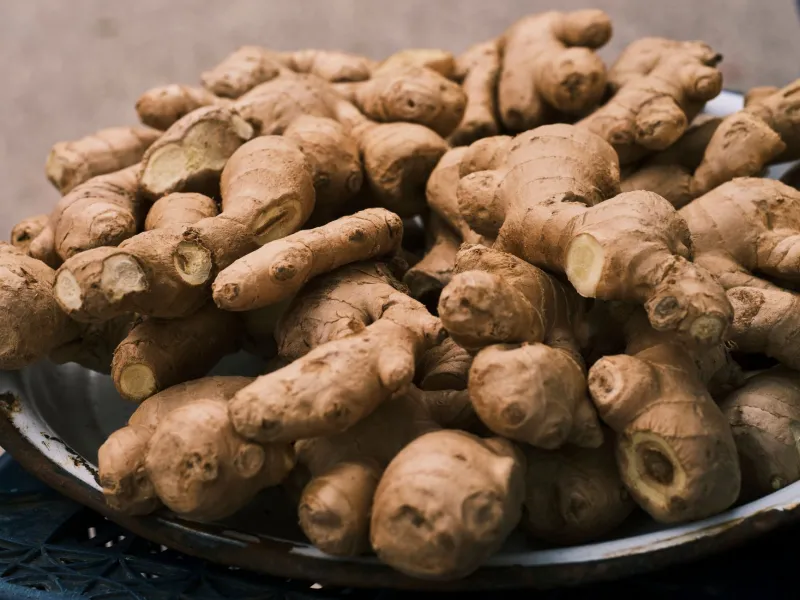
Ginger-Turmeric Honey is a good starting point for beginners: gently warm (do not boil) a cup of raw local honey and stir in 2 teaspoons of fresh grated ginger and 1 teaspoon of ground turmeric. Let cool, then bottle. Use it in tea, spread on biscuits, or take a spoonful at the first sign of a scratchy throat.
Elderflower or Elderberry Honey takes a bit more effort but is worth every minute. Georgia elderberry (Sambucus canadensis) grows wild along roadsides and creek banks across the state. The berries, harvested in late summer, are traditionally used for immune support and are now backed by a growing body of clinical research. Infuse dried elderberries into warm honey for two to three weeks, strain, and store in a cool pantry. The result is deeply flavored, almost jammy, and one of the most satisfying things you can keep on your shelf.
The Art of Knowing Your Season
The most important ingredient in a Georgian wellness pantry isn't any single food or herb — it's the habit of paying attention. What's ripe right now? What's about to pass? What can you put up today that will nourish you in February?
Spring brings ramps and wild violet. Summer delivers blackberries, hot peppers, and basil. Fall is for muscadines, apples, and elderberries. Winter is for roots — ginger, turmeric, and the dried herbs you had the foresight to harvest when they were at their peak.
This rhythm of preservation isn't just practical. It's grounding in the deepest sense — a way of staying connected to the land and the seasons even when the world moves faster than feels healthy. Building a Georgian wellness pantry is, at its core, an act of slow living. And in a culture that prizes speed above almost everything else, that slowness might be the most radical wellness practice of all.