Fire from the Soil: Georgia's Native Pepper Plants Are Changing the Way We Cook and Heal
There's a reason Georgia gardeners have always kept a pepper plant or two tucked between the tomatoes and the squash. It wasn't just for the heat. It was for the medicine, the flavor, the tradition — the kind of know-how that gets passed down without ever being written in a cookbook.
But somewhere along the way, the grocery store took over. Jalapeños from Mexico. Cayenne powder from a factory somewhere far away. The regional pepper culture that once thrived in Georgia backyards started to fade into the background.
Now, it's coming back — and the people leading the charge are farmers, chefs, and home cooks who are tired of settling for generic heat when Georgia soil can grow something far more interesting.
What's Actually Growing in Georgia's Fields
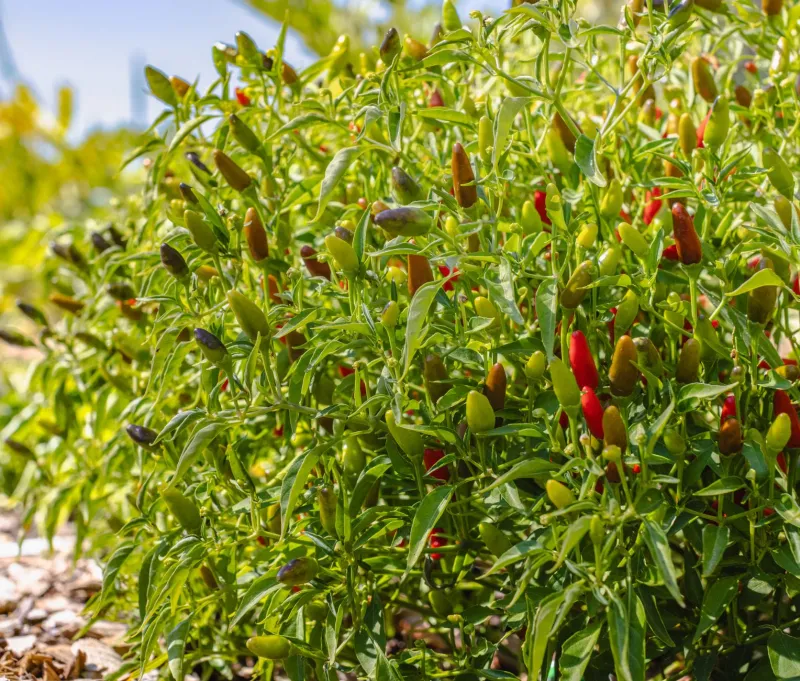
Georgia's climate — long summers, humid air, and sandy loam soil in the south — turns out to be nearly ideal for capsicum cultivation. The state has a surprisingly deep history with pepper growing, and several varieties have developed regional identities over generations.
The Georgia Flame pepper, a thick-walled sweet-to-mild roaster, has been a staple at roadside stands for decades. Less well-known outside the Southeast is the Mellow Yellow, a pale, fruity pepper that local growers in the Vidalia region have quietly cultivated alongside their famous onions. And then there's the Jimmy Nardello — technically Italian in origin, but so well-suited to Georgia summers that growers around Tifton have claimed it as their own.
For real heat, small-scale growers are experimenting with fish peppers (a historically Black Southern heirloom with a fascinating culinary legacy), pequins, and even a handful of datil plants, the latter being a Florida-born variety that crosses the state line with ease.
"People think of Georgia and they think Vidalia sweet onions, maybe peaches," says Marcus Elley, who runs a specialty produce farm outside Thomasville. "They don't think peppers. But we've been growing them here forever. We just stopped talking about it."
Elley started focusing on heirloom and regional pepper varieties about four years ago after a chef from Savannah reached out asking if he could source anything unusual. Now, he grows more than a dozen varieties and sells out at the Tallahassee and Thomasville farmers markets every season.
The Flavor Difference Is Real
Anyone who's tasted a fresh cayenne straight from a Georgia garden versus the dusty powder in a tin from the spice aisle knows the gap is enormous. Fresh, locally grown peppers carry volatile aromatic compounds that degrade quickly after harvest and processing. What you get in the bottle is heat — stripped of most of the fruity, floral, or smoky notes that make a pepper actually interesting to cook with.
Chef Danielle Okafor, who runs a supper club out of her home kitchen in Athens, has made Georgia peppers a signature of her menu. "I use the fish pepper for a slow-cooked pork dish because it has this almost citrusy brightness behind the heat," she says. "You can't get that from cayenne powder. It's a completely different experience."
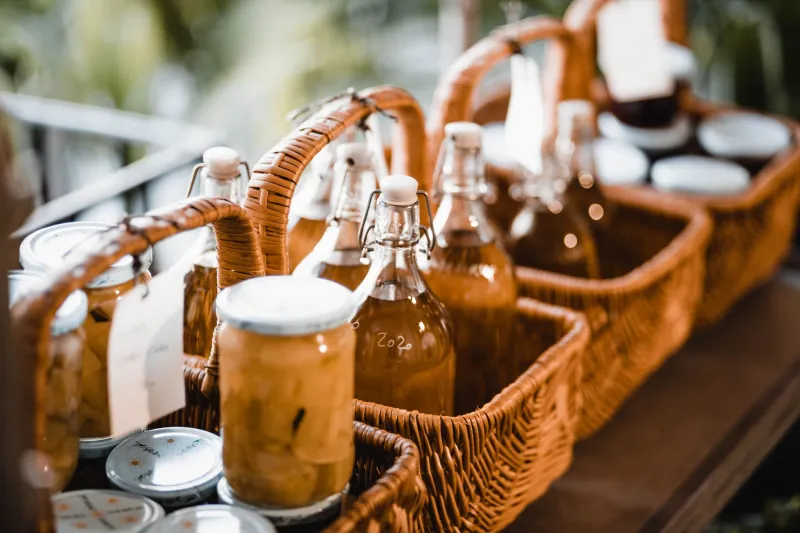
She sources from two farms within 60 miles and preserves the summer harvest in fermented mash, smoked dried flakes, and a vinegar-based hot sauce she gifts to guests. "It's the kind of cooking that makes you feel connected to where you live," she adds. "And honestly, it tastes better."
The Wellness Case for Eating Local Heat
Beyond flavor, there's a growing body of evidence supporting what Southern grandmothers have known for a long time: peppers are good for you, and fresher is better.
Capsaicin — the compound responsible for heat — has been studied extensively for its metabolic and anti-inflammatory properties. Research published in journals including the British Journal of Nutrition and Appetite suggests that capsaicin can temporarily boost metabolic rate, support digestive enzyme activity, and even play a role in appetite regulation. Some studies point to potential benefits for circulation and cardiovascular health.
But here's the part that often gets overlooked: capsaicin content varies significantly by variety, growing conditions, and freshness. A pepper grown in mineral-rich Georgia soil, harvested at peak ripeness, and used within days contains a different nutritional profile than one grown in a controlled greenhouse and shipped across the country.
"The phytochemical content of fresh peppers is genuinely higher than dried and processed versions," explains a registered dietitian based in Atlanta who works with clients on anti-inflammatory eating. "If you're looking at peppers for health benefits, local and fresh is always going to give you more to work with."
How to Bring Georgia Peppers Into Your Kitchen
You don't have to be a chef or a farmer to start cooking with regional peppers. Here are a few practical ways to start:
Fermented Pepper Mash: Roughly chop a mix of fresh Georgia cayennes and Jimmy Nardellos, toss with 2% of their weight in sea salt, pack into a mason jar, and let sit at room temperature for 5 to 7 days. The result is a tangy, complex paste that works on eggs, beans, greens, or anything that needs a kick.
Smoked and Dried Flakes: If you have a smoker or a low oven, drying your own pepper flakes from fresh Georgia-grown varieties takes about 6 hours and produces something completely unlike store-bought red pepper flakes. Try it with fish peppers for a smoky, slightly fruity heat.
Pepper Vinegar: A Southern classic. Pack a bottle with fresh pequins or thin cayennes, cover with warm apple cider vinegar, and wait two weeks. Shake it on collard greens, beans, or slow-cooked pork. This is Georgia wellness in a bottle.
Many of these peppers are available at farmers markets in Atlanta, Savannah, Augusta, and Thomasville from mid-July through October. Several specialty seed companies also carry Georgia-appropriate heirloom varieties if you want to grow your own.
The Bigger Picture
What's happening with Georgia's pepper culture is part of something larger — a renewed interest in regional food identity and the wellness value of eating close to home. When you buy a pepper from a Georgia farmer, you're not just getting produce. You're getting a plant that evolved in conditions similar to where you live, tended by someone who knows the land, available at its nutritional peak.
That's not a small thing. In a food system that prioritizes shelf life and uniformity over flavor and vitality, choosing a Georgia-grown fish pepper or a locally fermented hot sauce is a quiet act of reclamation.
The heat is just the beginning.