From Field to Flavor: The Georgia Farmers Bringing Heirloom Herbs Back to Your Kitchen
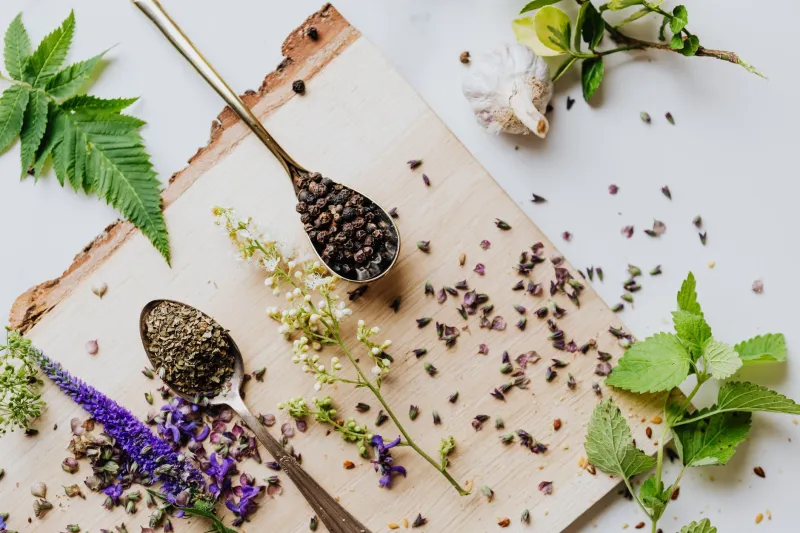
Somewhere between the rise of the grocery store spice aisle and the global food supply chain, Georgia lost a few things. Not just flavors, but whole plant lineages—herbs that once grew in kitchen gardens from Savannah to the North Georgia mountains, harvested by grandmothers who knew exactly what to do with them. The good news? A new generation of small farmers is bringing those plants home.
This isn't a trend story about microgreens or artisan hot sauce. This is about something older and quieter: the revival of heirloom culinary herbs that were practically written out of American cooking over the last century. And Georgia, with its long growing season, diverse microclimates, and deep agricultural roots, turns out to be one of the best places in the country to bring them back.
What We Mean by "Forgotten" Herbs
When people talk about herbs, they usually mean the usual suspects—basil, rosemary, thyme, parsley. Those are fine. But they're also largely imported or grown in monoculture operations far from your kitchen. The herbs getting attention from Georgia's heirloom growers are a different category entirely.
Anise hyssop (Agastache foeniculum) is one of the stars of this revival. Native to North America and once common in Southern cottage gardens, it carries a sweet, licorice-meets-mint flavor that works beautifully in teas, desserts, and savory rubs for pork or chicken. It nearly vanished from regional agriculture, but a handful of Georgia growers—particularly in the Piedmont region—have been quietly cultivating it for the past decade.
Native bee balm (Monarda species) is another. You might know it as wild bergamot or Oswego tea. Indigenous communities across the Southeast used it for centuries, and early European settlers picked up the habit fast. Today it's showing up at Georgia farmers markets as a dried herb, a fresh garnish, and even as an infusion base for cocktails and herbal syrups.
Then there's lovage, which tastes like celery but grows tall and bold, and sweet cicely, a feathery herb with anise notes that was once a staple of Southern Appalachian cooking. Neither is easy to find at your average grocery store. But they're both thriving in Georgia soil right now.
Meet the Growers Making It Happen
The farms driving this revival tend to be small—sometimes just a few acres—and deeply intentional about what they grow. Many operate through CSA subscriptions, direct-to-chef relationships, or weekend farmers markets rather than conventional retail channels.
In the foothills near Dahlonega, you'll find growers who have integrated heirloom herbs into diversified plots alongside vegetables and cut flowers. The philosophy is holistic: these plants support pollinators, improve soil health, and provide income streams that don't depend on commodity pricing. Anise hyssop, in particular, has become something of a darling because bees absolutely love it—which makes it a natural fit for farms that also keep hives.
Down in the coastal plain, other growers are leaning into the heat-tolerance of plants like lemon balm and tulsi basil, both of which have deep wellness traditions and culinary applications that go far beyond their imported counterparts. Georgia summers that would wilt a European herb can actually coax these plants into their fullest expression.
What's striking when you talk to these farmers is how often the motivation is personal. Many of them started growing heirloom herbs because they were looking for something specific—a flavor from a family recipe, a plant a grandparent grew—and couldn't find it anywhere. Growing it themselves was the only option. Now they're selling it to chefs and home cooks who are equally hungry for something real.
Why Chefs Are Paying Attention
Georgia's restaurant scene has been evolving rapidly, and the farm-to-table conversation has matured past the buzzword phase. Chefs at serious kitchens in Atlanta, Savannah, and Athens aren't just sourcing local produce anymore—they're actively collaborating with farmers to grow specific varieties they can't get through distributors.
Anise hyssop has shown up in everything from herb-crusted lamb to housemade shrubs. Bee balm leaves are being used as a finishing herb on charcuterie boards and infused into vinegars. Lovage is finding its way into stocks and braises where its deep, savory celery flavor adds complexity without the watery blandness of store-bought celery.
For home cooks, the lesson here is simple: these herbs aren't just for professional kitchens. They're actually easier to use than many imported spices because you can work with them fresh, dried, or infused—and the flavor is usually more vivid than anything that's been sitting in a warehouse.
How to Source and Grow Them Yourself
If you want to get your hands on heirloom Georgia herbs, your best first stop is a regional farmers market. Ask vendors specifically about culinary herbs beyond the basics—you might be surprised what's tucked behind the tomatoes. Many heirloom herb growers also sell through local CSA programs or small online farm stores.
For home gardeners, the barrier to entry is low. Anise hyssop is a perennial in most of Georgia, meaning you plant it once and it comes back year after year. Bee balm is similarly low-maintenance and will spread happily in a sunny spot. Both attract pollinators and double as ornamental plants, so they earn their space in a garden even before you harvest a single leaf.
Seed sources matter. Look for regional seed companies and heirloom seed swaps rather than big-box garden centers, which tend to stock only the most commercial varieties. Georgia has an active seed-saving community, and connecting with local gardening groups can open doors to plant varieties you won't find in any catalog.
Replacing the Import Habit
Here's the practical case for all of this: imported herbs and spices are expensive, often irradiated, and frequently past their peak by the time they reach your spice rack. A jar of dried anise seed from a major grocery brand traveled thousands of miles and sat in climate-controlled storage before you opened it. A bundle of fresh anise hyssop from a farm thirty miles away was cut that morning.
The flavor difference is not subtle.
For wellness practitioners and home herbalists, the argument is even stronger. Plants grown in Georgia soil, harvested at the right moment, and dried or tinctured locally retain more of their volatile oils—the compounds responsible for both flavor and therapeutic effect. Buying local isn't just a feel-good choice. It's a quality choice.
Georgia's heirloom herb revival is still in its early chapters. But the farmers, chefs, and home gardeners involved in it are writing something worth reading. And tasting.