Follow Your Nose: Georgia's Essential Oil Farms and Botanical Distilleries Are Becoming the South's Best-Kept Travel Secret
Most people plan a Georgia road trip around peaches, barbecue, and maybe a stop at a winery or two. But lately, a different kind of destination has been quietly showing up on the itineraries of slow-travel enthusiasts and wellness seekers — and it smells a whole lot better than a highway rest stop.
Across the state, a growing number of small-batch essential oil producers, botanical distillers, and herbalist homesteads are welcoming visitors through their gates. These aren't polished tourist traps with gift shops full of scented candles. They're working farms and artisan operations where you can watch raw plant material transform into concentrated aromatic oil right before your eyes — and usually leave with a small bottle and a story you'll be telling for years.
Georgia, it turns out, is quietly building something that could be called a Scent Trail.
What's Driving the Demand
The wellness tourism market has been booming for years, but post-pandemic, something shifted in how people want to spend their travel dollars. There's a real hunger for experiences that feel grounded — literally. Farm stays, foraging walks, fermentation workshops. People want to touch the thing, smell the thing, understand where it came from.
Essential oil tourism fits squarely into that appetite. When you visit a lavender farm in Provence or a eucalyptus grove in California, you're not just buying a bottle of oil. You're buying the memory of standing in that field, the way the heat lifted the fragrance off the leaves, the sound of bees working the blooms. That sensory imprint is something no online retailer can replicate.
Georgia producers have started to recognize this. And they're building experiences around it.
A Stop in the North Georgia Mountains
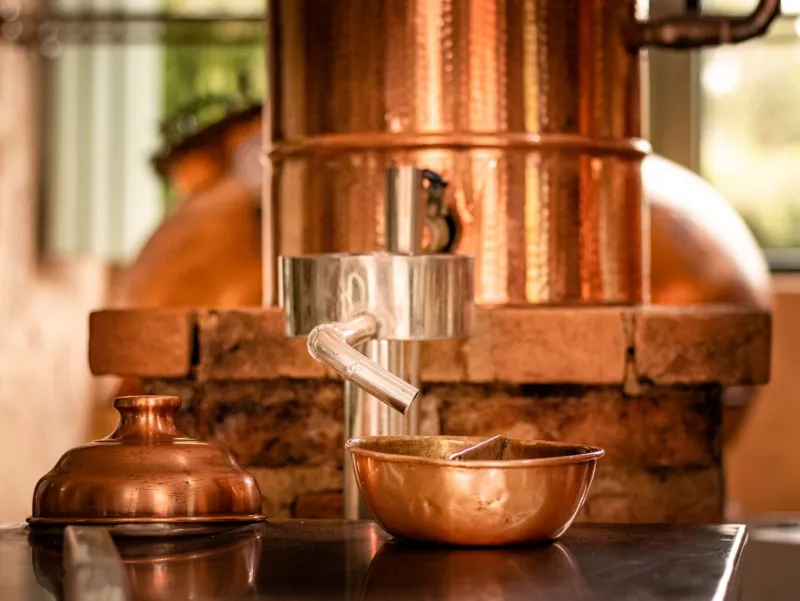
Up in the Blue Ridge corridor, where the elevation cools things down just enough to grow plants that wouldn't survive the sweltering Georgia flatlands, a handful of botanical farmers have started offering what they call "distillation days" — scheduled visits where small groups can watch the steam distillation process from start to finish.
One producer in the Ellijay area, who grows several acres of herbs including lemon balm, mountain mint, and a particularly fragrant variety of rosemary she's cultivated over nearly a decade, started hosting farm visitors about three years ago almost by accident. A customer asked if they could come see where the oils were made, and one visit turned into a waiting list.
"People cry," she says, not entirely joking. "There's something about watching the condensate come through the coil and seeing those first drops of oil collect on the water — it hits people emotionally. I think they realize they've never actually seen where something they use every day comes from."
Her visits run about three hours and include a walk through the growing beds, a hands-on session with fresh plant material (crushing leaves, learning to identify aromatic compounds by scent alone), and a full distillation demonstration. Guests leave with a small vial of whatever was distilled that day and a blend they craft themselves during a guided blending session at the end.
Bookings typically sell out weeks in advance from April through October.
The Lowcountry Angle
Head south toward the Georgia coast and the botanical story shifts entirely. The humidity, the salt air, the black-water rivers cutting through stands of cypress and sweetgrass — it's a completely different aromatic world, and a few producers down that way have built their whole brand identity around it.
One herbalist and distiller operating near the Altamaha River basin focuses almost exclusively on native and naturalized coastal Georgia plants — things like wax myrtle, yaupon, saw palmetto, and several varieties of wild-harvested pine. Her small-batch operation is more intimate than a mountain farm tour; she takes groups of no more than six at a time on what she calls "scent walks" through the surrounding wetlands and upland scrub.
"I want people to smell the plant in the ground before they smell it in the bottle," she explains. "That context changes everything. You understand why coastal pine smells different from mountain pine. The soil, the water table, the salt — it's all in there."
After the walk, guests gather in her open-air distillation shed for a demonstration and a tasting-style flight of her current small-batch oils, structured almost like a wine tasting — discussing top notes, base notes, the differences between batches from different seasons.
She's started partnering with a nearby bed-and-breakfast to offer overnight packages, which have become particularly popular with couples and small groups of friends looking for something genuinely different from the standard weekend getaway.
Building a Trail, Not Just a Stop
What makes this more than a collection of interesting individual farms is the possibility — already being discussed among some producers — of creating an actual coordinated trail. Think of it like Georgia's wine trail or the state's growing network of agritourism destinations, but oriented entirely around aromatic plants, botanical wellness, and the craft of distillation.
Several producers in the northeast Georgia mountains have already started cross-promoting each other informally, recommending that visitors who come to see them also make time for a neighbor a county over who grows a completely different set of botanicals. The result is that some visitors are building two- and three-day itineraries around multiple farm stops, which is exactly the kind of slow-tourism pattern that keeps money in rural communities.
Georgia's Department of Agriculture has taken notice of the agritourism trend broadly, and botanical producers are increasingly finding that their operations qualify for the same promotional infrastructure that supports farm stands and pick-your-own operations. That visibility matters for small producers who don't have big marketing budgets.
What to Expect If You Go
If you're thinking about adding a botanical farm visit to your next Georgia trip, a few things are worth knowing. Most of these operations are small and intentionally so — they're not set up for bus tours or walk-in traffic. Booking ahead is almost always required, and some producers only offer visits on specific dates tied to their harvest or distillation schedule.
The best visits tend to happen during active growing season, roughly April through October, though some producers offer winter workshops focused on dried botanicals, blending, and cold-process methods. Pricing varies widely — from free with a product purchase minimum to $75 or more for a half-day experience — but most visitors report feeling like they got more than their money's worth.
Dress for the outdoors, bring a notebook if you're the type who likes to take notes, and don't be surprised if you walk away with a significantly lighter wallet than you planned. When you can smell the difference between a fresh-distilled oil and a commercially processed one side by side, the small-batch bottle tends to win every time.
The Bigger Picture
Georgia has always had the raw material for this kind of tourism — the biodiversity, the agricultural heritage, the climate that coaxes extraordinary complexity out of aromatic plants. What's changing is that producers are starting to see their farms not just as places that make products, but as destinations in their own right.
For travelers, that means a new kind of Georgia road trip is available — one that's less about miles covered and more about depth of experience. Follow your nose long enough in this state, and you might just find something that sticks with you long after you've unpacked your bags.