Why Georgia Grows It Better: The Climate Chemistry Behind the South's Most Powerful Aromatic Plants
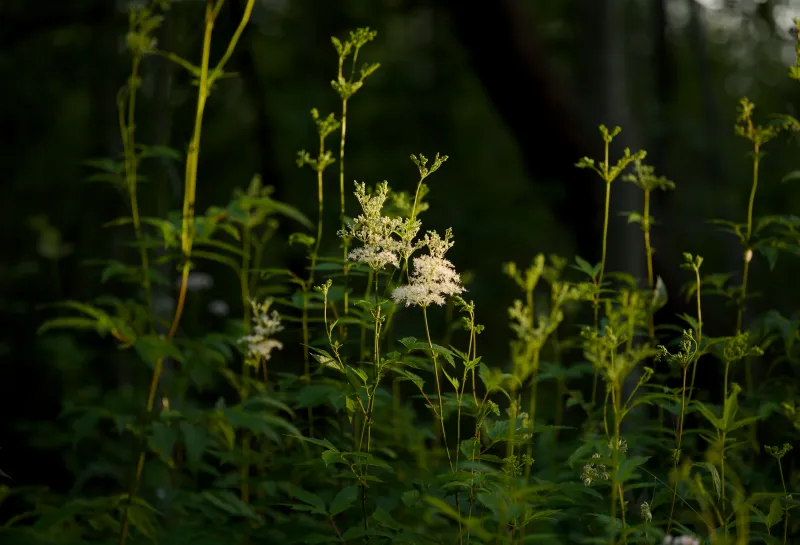
Pull a leaf of sweetbay magnolia off a branch in late June, crush it between your fingers, and breathe in. That sharp, clean, almost medicinal hit of fragrance isn't an accident. It's chemistry — and Georgia's geography had everything to do with making it happen.
For anyone who uses aromatherapy, cooks with fresh herbs, or just has a deep appreciation for the smell of the South in full bloom, there's a compelling story hiding inside every aromatic plant that grows in this state. It has to do with stress, survival, and the surprisingly productive relationship between a plant and a punishing climate.
Plants Make Scent to Survive — Georgia Makes Them Work for It
Here's the foundational piece of plant biology that changes how you think about aromatics: essential oils aren't made for us. They're made for the plant. These volatile organic compounds — the stuff that gives lavender its calm, peppermint its punch, and sourwood its honeyed sweetness — exist to repel insects, prevent microbial infection, attract pollinators, and protect against UV damage.
The harder a plant has to work to survive, the more of these compounds it tends to produce.
Georgia puts plants to work. The state sits in a climate zone that delivers genuinely intense seasonal pressure: summer heat that regularly pushes past 90°F, high humidity that creates a constant threat of fungal and bacterial stress, brief but sharp cold snaps in winter, and red clay soils that are mineral-rich but can be tough to root through. These aren't comfortable growing conditions. And that's exactly the point.
When a plant faces environmental stress, it ramps up secondary metabolite production — which is the scientific way of saying it makes more of the good stuff. More terpenes. More phenols. More of the aromatic compounds that end up in essential oils, that make your herb garden smell incredible, and that give Georgia-grown botanicals a potency edge over plants raised in milder, more forgiving climates.
The Humidity Factor
Georgia's humidity is famous for being oppressive, and fair enough — nobody loves August in Atlanta. But from a botanical chemistry standpoint, that moisture-laden air creates some genuinely interesting dynamics.
High humidity increases the threat of mold, mildew, and bacterial infection for plants. In response, many native species in Georgia produce elevated levels of antimicrobial and antifungal compounds. Wild mint (Mentha spp.) growing along Georgia creek banks, for example, tends to have robust levels of menthol and menthone — the compounds responsible for that intense cooling effect — partly because the plant is working overtime to protect itself in a wet environment.
Sweetbay magnolia (Magnolia virginiana), which grows naturally in Georgia's coastal plain and piedmont wetlands, tells a similar story. Its leaves produce a complex aromatic profile that includes linalool and cineole — compounds used in aromatherapy for their calming and respiratory-supportive properties. The plant's exposure to both waterlogged roots and intense summer sun creates a kind of chemical balancing act that concentrates these oils in ways that drier climates simply don't replicate.
Clay Soil and Mineral Stress
Georgia's famous red clay gets a bad reputation from gardeners, but it deserves a second look when it comes to aromatic plant production. Clay soils retain moisture but also create periodic drought stress as they compact and dry — and that cycle of wet and dry, of feast and famine for plant roots, triggers terpene production in ways that consistently loose, well-drained soils don't.
Mineral content matters too. Georgia's piedmont soils are rich in iron, aluminum, and certain trace minerals that influence how plants synthesize their aromatic compounds. Research into terroir — the French concept that explains why wine from one region tastes different than wine from another — increasingly applies to aromatic plants as well. The mineral fingerprint of Georgia soil shows up in the chemical fingerprint of the plants that grow in it.
Sourwood (Oxydendrum arboreum), one of Georgia's most beloved native trees and the source of a legendary monofloral honey, is a striking example. Sourwood thrives in the acidic, well-drained-but-mineral-rich soils of Georgia's mountains and upper piedmont. The tree's aromatic compounds — including methyl salicylate and various flavonoids — are directly influenced by soil acidity and mineral availability. Beekeepers and herbalists who work with this plant regularly note that Georgia-sourced sourwood products have a depth of flavor and fragrance that's hard to find anywhere else.
Seasonal Temperature Swings as a Potency Driver
If humidity and soil are the foundation, Georgia's temperature swings are the finishing touch. The state experiences genuine four-season variation — not the dramatic extremes of the upper Midwest, but enough oscillation to matter biologically. Cool winters trigger dormancy cycles that allow plants to reset and concentrate their stored compounds. The rapid warm-up of Georgia spring pushes plants into aggressive growth mode, often producing a flush of highly aromatic new growth that experienced foragers and herbalists time their harvests around.
This thermal cycling also affects how essential oils are distributed within plant tissue. Temperature stress — both heat and cold — causes cell membranes to shift, which influences where and how aromatic compounds accumulate in leaves, flowers, and bark. Plants harvested in Georgia in the early morning after a cool night, or in the first weeks of a warm spring flush, often test at higher essential oil concentrations than those harvested mid-summer at peak heat.
What This Means for Your Wellness Shelf
If you're buying essential oils or cooking with dried herbs, the growing conditions behind your botanicals matter more than most labels tell you. A bottle of peppermint oil sourced from Georgia creek-bank wild mint is going to carry a different chemical profile — and potentially a more complex therapeutic effect — than one distilled from commercially farmed plants grown in optimized, stress-free conditions.
This isn't just botanical romanticism. It's the same principle behind why wild-caught fish has a different nutritional profile than farmed, or why heirloom tomatoes grown in challenging conditions develop more complex flavor than hothouse varieties. Stress, in the plant world, is often the secret ingredient.
Georgia's climate is many things — gorgeous, oppressive, unpredictable, alive. For the plants that grow here, it's also a relentless teacher. And the lessons show up in every drop of essential oil, every aromatic leaf, every bloom that makes the South smell like home.