Why Georgia Smells Like Home: The Brain Science Behind Botanical Memory and Emotional Healing
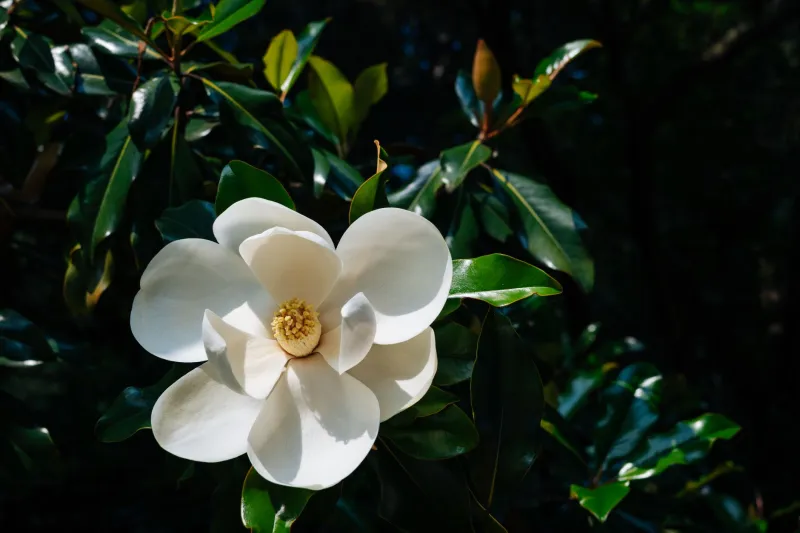
You're walking through a parking lot in July. The heat is heavy, the air is thick, and then — out of nowhere — the smell of a nearby magnolia tree stops you mid-step. Something shifts. Your shoulders drop. For just a second, you're not in a parking lot anymore. You're somewhere safe, somewhere familiar, somewhere that feels like home.
That's not nostalgia being dramatic. That's your brain doing something genuinely remarkable. And it turns out, Georgia's botanical landscape is unusually well-suited to trigger it.
The Limbic System Is the Real Reason Southern Scents Feel So Personal
Most of our senses take a fairly long route to the brain. Visual and auditory signals, for instance, pass through the thalamus — essentially a relay station — before they reach areas associated with emotion and memory. Smell doesn't work that way.
Olfactory signals travel almost directly to the limbic system, the network of brain structures that governs emotion, motivation, and long-term memory. Specifically, scent connects to the amygdala (your emotional processing center) and the hippocampus (your memory archive) with a speed and intimacy that no other sense can match.
"Smell is the only sense with a direct anatomical link to the emotional and memory centers of the brain," says Dr. Rachel Osei, a neuroscientist based in Atlanta who studies sensory processing and emotional regulation. "When people describe a smell as transporting them, that's not metaphor — that's neuroanatomy."
This is what researchers sometimes call the Proust phenomenon, named after the French writer who famously described being flooded with childhood memories after smelling a madeleine cake dipped in tea. But what makes Georgia's version of this phenomenon worth paying attention to is the specificity of the plants growing here — and how deeply they've been woven into Southern life across generations.
Georgia's Botanical Profile Is Doing Something Synthetic Can't Replicate
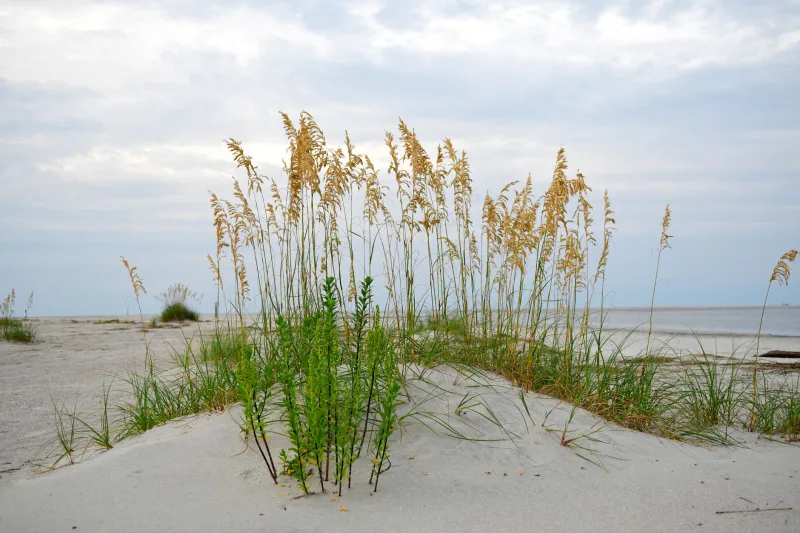
Magnolia. Muscadine. Wisteria. Pine resin. Wild honeysuckle climbing a fence post. Sweetgrass warming in the afternoon sun. These aren't just pleasant smells — they're scent signatures tied to a specific geography, a specific culture, and for millions of people raised in the South, a specific emotional history.
Synthetic fragrances can approximate these smells. They can hit some of the same chemical notes. But they can't do what the real thing does, and there's a reason for that.
"When you encounter a natural botanical scent — especially one you've encountered repeatedly throughout your life — your brain isn't just processing a chemical compound," explains Tamara Blount, a certified aromatherapy practitioner based in Savannah who works with clients experiencing anxiety and grief. "It's pattern-matching against years of stored emotional experience. Synthetic versions often lack the full complexity of volatile compounds that make that recognition possible."
Natural essential oils and plant aromatics contain dozens to hundreds of chemical constituents — terpenes, esters, aldehydes, and more — that interact with your olfactory receptors in layered ways. A Georgia magnolia isn't just linalool and limonene. It's a full aromatic chord, and your brain recognizes the whole song.
The Scents That Southerners Carry Without Knowing It
Let's get specific, because this matters.
Magnolia contains linalool, a compound with well-documented anxiolytic (anti-anxiety) properties. Studies have shown it can reduce stress markers in animal models, and anecdotally, it's one of the most consistently reported "comfort" scents among people raised in the Deep South. Georgia is home to several native magnolia species, including the sweetbay magnolia, which blooms in humid coastal air from May through July.
Muscadine grape — Georgia's native wild grape and one of the South's oldest food plants — carries a musky, warm aromatic profile rich in aldehydes and esters. For people who grew up picking them off the vine or smelling them simmer into jelly, that scent carries a weight that goes well beyond the chemical. It's tied to late summer, to family kitchens, to the ritual of putting food by.
Longleaf pine resin, once the backbone of Georgia's turpentine industry, contains high concentrations of alpha-pinene, a terpene studied for its ability to reduce anxiety, support respiratory function, and even improve alertness. Walk through a stand of pines in middle Georgia and you're essentially breathing a natural diffuser blend that's been calibrated by centuries of Southern living.
Wisteria and honeysuckle, both abundant in Georgia gardens and roadsides, contain floral esters that activate parasympathetic nervous system responses — the branch of your autonomic nervous system associated with rest and calm. These are not subtle effects. They're measurable.
Why Place-Specific Scent Is Therapeutic in a Way Generic Wellness Products Aren't
The wellness industry has done a lot of good work bringing aromatherapy into mainstream conversation. Lavender for sleep. Eucalyptus for congestion. Peppermint for focus. These are legitimate, research-backed applications. But there's a growing conversation among practitioners about the limits of a one-size-fits-all approach to aromatic healing.
"I work with a lot of clients who've tried lavender blends and felt nothing," Tamara says. "And then I introduce something like a Georgia cedarwood or a local sweetgrass hydrosol, and the response is completely different. Their body recognizes it. There's an immediate relaxation that I don't always see with imported botanicals."
This makes intuitive sense through the lens of neuroscience. If emotional healing through scent works partly through memory and association, then the most therapeutically powerful aromatics aren't necessarily the ones with the strongest pharmacological profiles — they're the ones most deeply embedded in a person's lived experience. For Southerners, that means plants that grew in the yard, flavored the food, and scented the air during formative years.
Dr. Osei puts it plainly: "Emotional memory is personal and contextual. A scent that signals safety to someone raised in rural Georgia may do nothing for someone raised in Chicago — and vice versa. Regional botanical medicine is an underexplored area, and it deserves more serious attention."
Bringing This Back to Your Everyday Wellness Practice
You don't need a lab or a clinical setting to apply any of this. What you need is intention — and access to the real thing.
Seek out Georgia-grown essential oils and botanical products from regional distillers and farmers who are working with native and heirloom plant material. When you can, use whole plants: fresh magnolia blossoms in a bowl of warm water, a bundle of dried sweetgrass, a few sprigs of pine from your backyard. The closer you get to the source, the more complete the aromatic profile — and the more your brain has to work with.
Pay attention to what moves you. Scent is deeply personal, and the plants that carry the most emotional resonance for you are the ones worth building your practice around. Notice what makes you exhale. Notice what makes you feel, even for a moment, like everything is going to be okay.
That's not just comfort. That's your nervous system doing exactly what it was built to do — finding its way back to safety through the language it learned first.
And in Georgia, that language smells like magnolia, pine, and something sweet on the vine.