Steam, Simmer, Breathe: How Georgia Cooks Are Turning Their Kitchens Into Aromatherapy Spaces
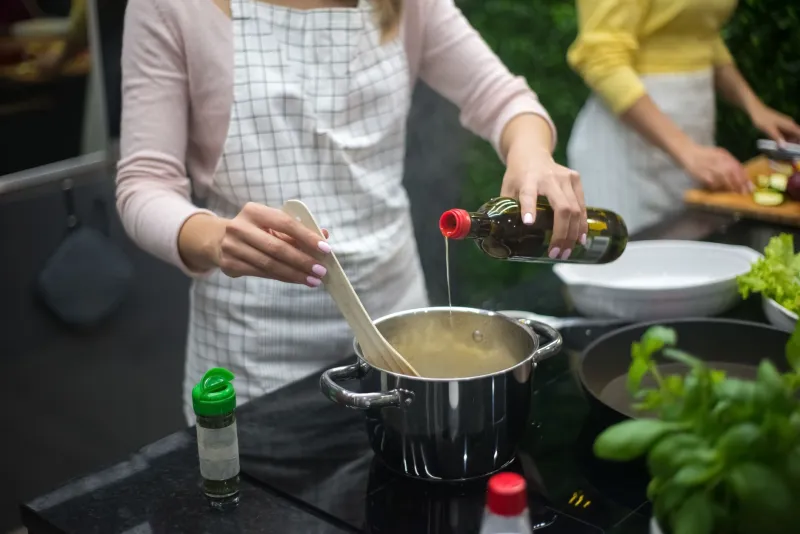
There's a moment in almost every Georgia kitchen — maybe you know it — when a pot of something good gets going on the stove and the whole house shifts. The air changes. Shoulders drop. Somebody wanders in from another room just to stand nearby and breathe it in. Nobody calls it aromatherapy. But that's exactly what it is.
Now, a growing number of Georgia cooks, chefs, and food-curious wellness folks are making that connection on purpose. Instead of reaching for a diffuser, they're reaching for a wooden spoon. And the science behind why it works is more fascinating than you might expect.
Your Nose Doesn't Know the Difference
Here's something that surprises a lot of people: your brain processes the scent of rosemary simmering in a cast iron skillet the same basic way it processes rosemary essential oil misted into the air. The olfactory system — the part of your brain that handles smell — doesn't much care whether the aromatic molecules arrived via diffuser or a bubbling pot of herb-infused broth. It just responds.
Dr. Rachel Simms, a food scientist based in Athens who consults with Georgia restaurants on sensory dining experiences, puts it plainly. "We've spent decades thinking about taste as this isolated thing that happens in your mouth," she says. "But somewhere between 75 and 90 percent of what we perceive as flavor is actually smell. When you cook with aromatic herbs and spices, you're not just seasoning the food — you're seasoning the air the diner is breathing. That changes everything about how the meal feels."
This overlap between culinary aromatics and therapeutic plant compounds isn't a new discovery, but it's one the wellness world and the food world have historically kept in separate lanes. Those lanes are starting to merge.
The Mood Kitchen Movement
In Savannah, chef and herbalist Marcus Webb has been running intimate supper club dinners out of his home kitchen for the past three years. His menus are built around what he calls "intentional atmosphere" — every dish is chosen not just for flavor but for the aromatic compounds it releases during cooking.
"I'll start an evening with something citrusy and bright — maybe a Meyer lemon and thyme broth just barely simmering on a back burner," Webb explains. "That limonene in the air lifts people's energy, gets them talking, opens them up. Then as the night goes deeper, I shift toward warmer spices. Clove, cardamom, a little black pepper. The whole room settles into something more relaxed without anyone realizing why."
What Webb is doing intuitively lines up with what researchers have been documenting for years. Citrus-forward aromas — lemon, orange, bergamot — are consistently linked to elevated mood and reduced anxiety. Lavender and chamomile promote calm. Rosemary and peppermint sharpen focus. Warm spice compounds like eugenol (found in clove and cinnamon) have demonstrated sedative-adjacent effects in several studies. When these compounds come from a stove instead of a bottle, they're no less potent.
Appetite and Atmosphere Are Inseparable
There's another layer to this that Georgia cooks are starting to tap into: the relationship between scent and appetite itself. The smell of food cooking doesn't just make you hungry in a general way — specific aromas prime your digestive system for specific types of food. Your body actually begins producing saliva, stomach acid, and digestive enzymes in response to scent cues before you ever take a bite.
That's why a slow-roasting pork shoulder that's been perfuming the kitchen for four hours almost always tastes better than one that went straight from a cold oven to the table. Part of that is the cooking process, sure. But part of it is you — your body has been preparing to receive that meal for hours.
Atlanta-based nutritionist and wellness coach Dana Okafor works with clients who struggle with appetite regulation, and she's started incorporating what she calls "aromatic priming" into her recommendations. "I'll suggest that clients cook with fresh herbs rather than dried whenever possible, or add a bundle of thyme or a cinnamon stick to whatever's simmering even if it's not strictly necessary for the recipe," she says. "It creates this whole-body readiness for the meal. People eat more mindfully, more slowly, and they tend to feel more satisfied with less."
Bringing It Home: Practical Ways to Cook With Intention
You don't need a supper club or a food science degree to start working these principles into your own Georgia kitchen. A few simple shifts can make a real difference in how your cooking space feels and how your meals land.
Simmer something aromatic before you cook. A pot of water with a few sprigs of fresh rosemary, a sliced lemon, and a cinnamon stick simmering quietly on a back burner while you prep will start shifting the air in your kitchen before the first real dish hits the stove. Think of it as setting the stage.
Bloom your spices in fat. Toasting whole spices or blooming ground ones in a little butter or oil before adding other ingredients dramatically increases the volatile aromatic compounds released into the air. Your kitchen smells better, the food tastes better, and the mood benefit is real.
Use fresh herbs as a finishing move. Dried herbs do a lot of their work in the dish. Fresh herbs — especially when torn or roughly chopped right before serving — release a burst of aromatic compounds into the immediate air around the plate. That hit of scent as a dish arrives at the table is part of the eating experience.
Match your aromatics to your intention. Hosting a dinner party and want the energy lively? Lean into citrus, fresh ginger, and bright herbs like basil and tarragon. Want Sunday supper to feel slow and warm and easy? Go heavy on vanilla, cinnamon, slow-cooked alliums, and anything with a little smoke.
The South Already Knew This
If any of this sounds like overthinking something that grandmothers have always done instinctively, you're not wrong. Southern cooking has always been as much about filling a house as filling a plate. The smell of a pot of collards, a peach cobbler in the oven, or a pot of black-eyed peas with a ham hock doing their slow work on New Year's morning — these aren't just food smells. They're emotional events. They carry memory and comfort and a specific kind of belonging that doesn't have a clinical name.
What's new is the language we're putting around it, and the intentionality some Georgia cooks are bringing to something that was always there. The kitchen was always a wellness space. The stove was always a diffuser. We're just finally saying it out loud.