Mold Season Is the Allergy Trigger Georgia Keeps Ignoring — And Your Essential Oils Are Probably Making It Worse
The Allergy Season Nobody's Actually Tracking
Every spring in Georgia, the same conversation plays out across porches, group chats, and pharmacy aisles. Yellow pollen coats the cars. Eyes itch. Noses run. Everyone blames the trees and reaches for antihistamines or their favorite eucalyptus blend. But there's another seasonal trigger quietly doing its own damage — one that doesn't leave a visible dust trail and rarely gets its own news segment.
Mold spores.
Georgia's climate is practically a laboratory for fungal growth. The combination of warm temperatures, clay-heavy soil that holds moisture, and the kind of sustained humidity that settles into every corner of the landscape creates ideal conditions for mold to thrive. And unlike pollen, which has a relatively predictable seasonal window, mold spore counts can spike multiple times a year — particularly in spring after heavy rains and again in fall when decaying leaves pile up in the humid Southern air.
The problem is that most people — and honestly, a lot of wellness content — treat allergy season as one monolithic thing. But pollen allergies and mold allergies are biologically different, and that difference matters enormously when you're building an aromatherapy routine around them.
What's Actually Happening in Your Georgia Air
Mold reproduces by releasing microscopic spores into the air, and those spores are small enough to travel deep into the respiratory system — sometimes deeper than larger pollen particles can reach. In Georgia, the prime mold offenders include Cladosporium, Alternaria, and Aspergillus, all of which thrive in the warm, wet conditions that define a Georgia spring.
Cladosporium in particular tends to peak right as everyone's celebrating the end of tree pollen season, which means people often mistake a mold-driven flare-up for a lingering pollen reaction. They're reaching for the wrong tools because they've misidentified the trigger.
Local allergists in the Atlanta metro and Savannah areas have started paying closer attention to this pattern. Some are now cross-referencing pollen forecasts with regional mold count data from monitoring stations — and they're finding that plenty of patients who thought they had uncontrolled pollen allergies are actually reacting to mold spores that peak on different timelines entirely.
Where Aromatherapy Gets It Wrong
Here's where things get tricky for anyone who uses essential oils as part of their wellness routine. Many of the go-to blends for respiratory support during allergy season — think lavender, chamomile, and certain floral combinations — are actually derived from plants that can cross-react with mold sensitivities. Chamomile, for instance, belongs to the Asteraceae family, and some individuals with mold or Alternaria sensitivity also react to plants in this botanical group.
Diffusing a heavy floral blend during a high mold-count week isn't neutral. For some people, it's actively adding to the inflammatory load.
Beyond cross-reactivity, there's also the issue of moisture. Many diffusers — especially ultrasonic models — add humidity to indoor air. During Georgia's wet spring months, when indoor humidity is already elevated, that extra moisture can encourage mold growth on walls, window sills, and HVAC systems. You might be diffusing an oil that smells clean and fresh while simultaneously creating a slightly more hospitable environment for the very spores causing your symptoms.
The Oils That Actually Work Against Mold
The good news is that some essential oils have demonstrated genuine antifungal properties in research settings — and they're different from the ones you'd typically reach for during pollen season.
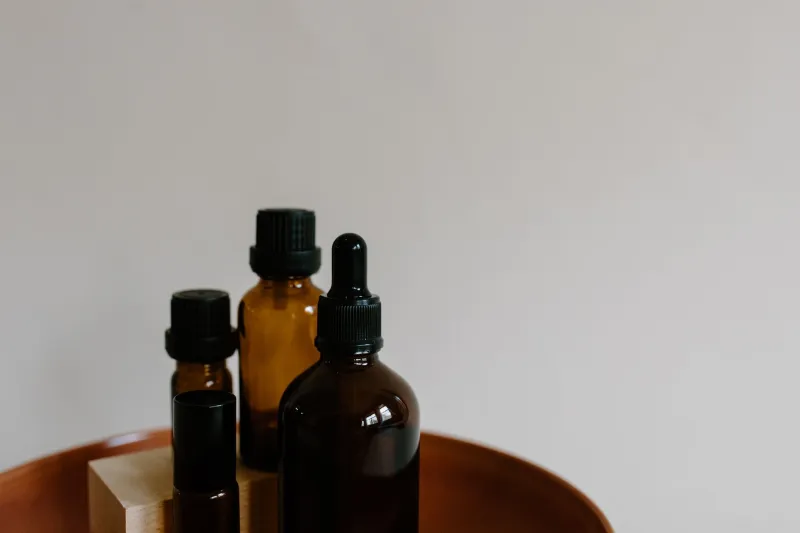
Tea tree oil (Melaleuca alternifolia) is probably the most well-documented. Studies have consistently shown it has activity against a range of fungal species, including several common household molds. It's not a substitute for actual mold remediation, but used in a diffuser during high-spore periods, it may help reduce the airborne fungal load in enclosed spaces.
Thyme essential oil, particularly varieties high in thymol, has shown strong antifungal activity in lab studies. It's a sharper, more herbaceous scent than a lot of people associate with wellness blending, but it's genuinely functional during mold season in a way that prettier-smelling oils often aren't.
Clove bud oil contains eugenol, a compound with well-established antifungal properties. It's potent and needs to be diluted carefully, but used correctly, it earns its place in a mold-season diffuser blend.
Cinnamon bark oil is another eugenol-rich option worth considering, though like clove, it requires careful handling and should never be used undiluted near skin or mucous membranes.
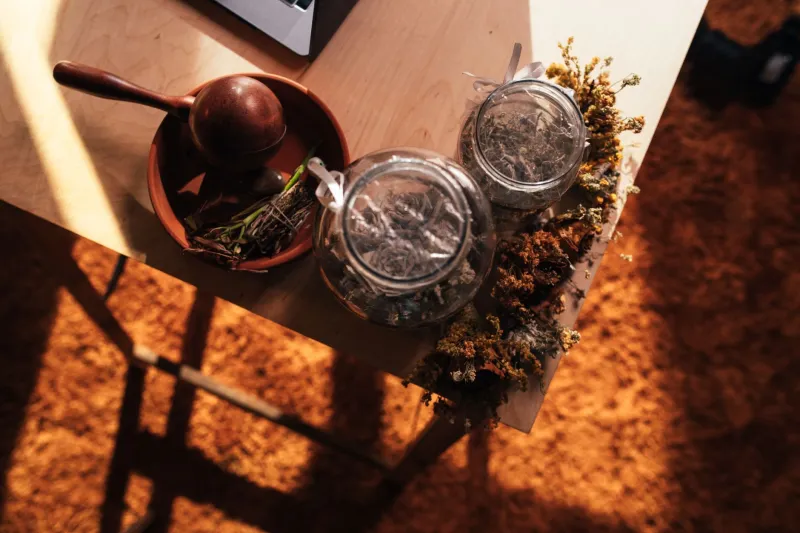
Georgia herbalists who work with respiratory health have started building spring blends around these harder-working oils rather than defaulting to the soft, floral combinations that feel more intuitive this time of year. The shift in scent profile takes some getting used to — these are spicier, more medicinal smells — but the functional payoff during a high-mold week is real.
Adjusting Your Indoor Environment First
Essential oils are supportive tools, not solutions. And during Georgia's spring mold season, the indoor environment itself needs attention before any diffuser blend will make a meaningful difference.
Keep indoor humidity between 35 and 50 percent if possible. In Georgia, that often means running a dehumidifier through spring and into early summer, not just in the basement but in living spaces too. Pay particular attention to bathrooms, window tracks, and the areas around HVAC vents — all common mold accumulation points in Southern homes.
Ventilate on dry days, not wet ones. Opening windows after rain feels refreshing but can actually pull in a surge of outdoor spores. Wait until humidity drops and air circulation is genuinely helping rather than hurting.
If you're using a diffuser, choose a nebulizing diffuser over an ultrasonic model during high-humidity periods. Nebulizers disperse oil without adding water vapor to the air, which keeps your antifungal aromatherapy from inadvertently making the moisture situation worse.
Timing Your Aromatherapy to Georgia's Real Seasonal Rhythm
Georgia's mold calendar doesn't follow the same arc as pollen. Spore counts can spike after any significant rain event, peak during stretches of warm, overcast weather, and stay elevated well into October in the southern parts of the state.
The practical takeaway is that your aromatherapy strategy probably needs two distinct modes — one tuned to pollen season, which is about soothing inflammation and supporting histamine response, and another tuned to mold season, which is about antifungal support and moisture management.
Check your local mold count the same way you check pollen counts. The EPA's AirNow tool and several regional weather services now include mold spore data alongside pollen forecasts. When counts are high, reach for the thyme and tea tree rather than the lavender and chamomile.
Your nose has been trying to tell you something's different about those bad air days. Now you have the language to listen.