Pollen Season Paradox: The Georgia Aromatherapy Blends That Actually Help (And the Ones Making It Worse)
If you've ever walked outside in Atlanta during April and watched your car turn yellow in real time, you already know: Georgia doesn't do allergy season halfway. The state consistently ranks among the worst in the country for seasonal pollen, and every spring, that familiar fog of sneezing, itchy eyes, and foggy heads settles over the South like a second weather system.
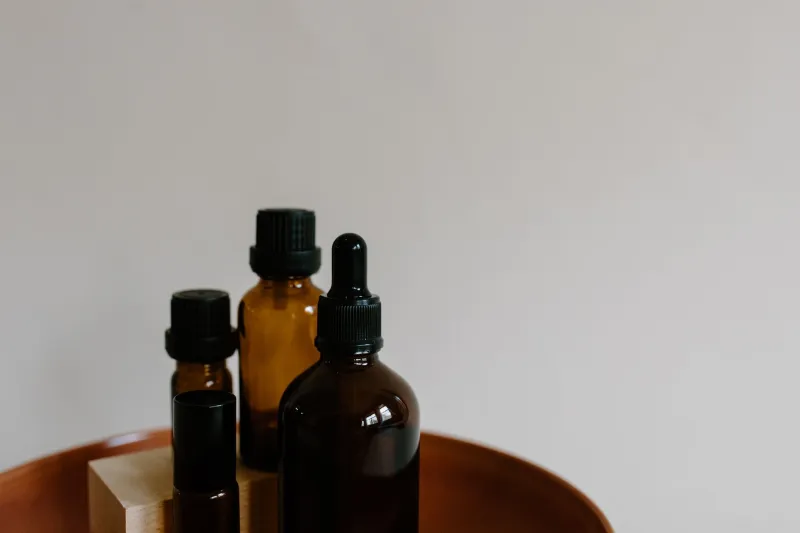
For a lot of Georgians, aromatherapy has become part of the relief routine. Diffusers running eucalyptus. Roller bottles stuffed with peppermint. Essential oil inhalers tucked into purses and glove compartments. The market for "allergy season blends" is enormous, and it keeps growing.
But here's the thing nobody's really talking about: some of those blends might be making things worse.
Why the Standard Allergy Blend Isn't Always the Answer
Walk into any wellness shop in Savannah or Marietta right now and you'll find the same lineup — eucalyptus, peppermint, lavender, maybe some lemon. It's practically the industry standard for seasonal support, and for good reason. Those oils have real, documented properties. Eucalyptus contains 1,8-cineole, a compound that can help open airways. Peppermint's menthol creates a cooling sensation that feels like breathing easier.
But "feels like" and "is" aren't always the same thing.
"There's a difference between symptom masking and actual physiological support," says Renata Hollis, a certified aromatherapist based in Athens who specializes in seasonal wellness protocols. "A lot of the blends people reach for in spring are really good at making you feel like you can breathe better. But if someone's immune system is already in overdrive, layering in a bunch of intense aromatic compounds can just add more input for an already overwhelmed system."
Hollis has spent the last several years building what she calls "low-provocation" blends specifically for Georgia's spring season — formulas that support the respiratory system without adding aromatic stress on top of an already reactive body.
The Pollen Calendar Changes Everything
Georgia's allergy season isn't a single event. It's a rolling wave, and what's blooming in February is completely different from what's in the air by May.
Tree pollen — cedar, oak, pine — tends to dominate the early season, often starting in January and peaking hard through March. Grass pollens follow, typically peaking in May and June. Then come the molds, which Georgia's humidity keeps active well into fall.
This matters for aromatherapy because different botanical compounds interact differently depending on what your immune system is currently reacting to.
"What I've found in practice is that people who do really well with eucalyptus blends in winter often hit a wall with them in April," says Hollis. "By then, their histamine load is already high. The eucalyptus is still technically doing what it does, but the body just doesn't have the bandwidth to process it the same way."
Her approach involves rotating blends seasonally — lighter, more grounding formulas in peak pollen months, with more assertive respiratory support reserved for lower-pollen periods.
Georgia-Native Aromatics and the Desensitization Question
Here's where it gets genuinely interesting. Some aromatherapists and researchers are starting to explore whether exposure to low concentrations of botanicals that are closely related to local pollen sources might actually support a kind of aromatic desensitization over time.
It's a concept that parallels traditional allergy immunotherapy — the idea that carefully controlled, graduated exposure can help the immune system recalibrate its response. Nobody is suggesting you replace allergy shots with essential oils. But the conversation is happening.
"There's some preliminary thinking in integrative medicine circles that consistent, low-level aromatic exposure to botanicals in the same plant families as regional allergens could help the olfactory and immune systems build a kind of tolerance," says Dr. Simone Wakefield, an integrative allergist with a practice in Decatur. "It's not established science yet, and I'd never tell a patient to skip their antihistamines. But it's worth watching."
For Georgia specifically, this opens up interesting territory around plants like Georgia pine, sweetgrass, and native goldenrod — aromatics that are deeply regional and, in very diluted form, are already being used in some local wellness blends.
Wakefield is careful to note the flip side: concentrated exposure to botanicals in the same family as active allergens can absolutely make symptoms worse. This is why she advises patients to be cautious with any new essential oil introduction during peak season and to work with a knowledgeable practitioner rather than experimenting alone.
What Actually Works: A Practical Framework
So what should a Georgia allergy sufferer actually reach for?
Hollis recommends thinking about spring aromatherapy in two phases.
Early season (January through March): This is tree pollen territory. She leans toward frankincense, which has anti-inflammatory properties without the aggressive airway stimulation of eucalyptus, combined with Roman chamomile and a small percentage of cedarwood. "Cedarwood is interesting because it's both a common allergen source and, in very small amounts, genuinely calming to the nervous system," she says. "The key is keeping the concentration low."
Peak pollen season (April through June): Hollis pulls back on anything highly stimulating. Her go-to blend for this period centers on helichrysum, blue tansy, and a base of sandalwood. These are less familiar names than eucalyptus or peppermint, but they work on different pathways — supporting the body's natural anti-inflammatory response without putting additional aromatic load on an already overwhelmed system.
She also emphasizes delivery method. "Diffusion fills a whole room with aromatic compounds. That's great in the off-season. During peak pollen, I usually steer people toward personal inhalers instead — you get the therapeutic benefit in a much more controlled dose."
What to Avoid (Or at Least Watch)
Both Hollis and Wakefield flag a few common choices that can backfire in spring.
High-concentration peppermint can trigger histamine release in some people — the opposite of what you want when your immune system is already running hot.
Ylang ylang is a frequent offender for headache and nausea when used during periods of high allergen load, particularly in enclosed spaces.
Highly floral single-note blends — rose, jasmine, certain lavender varieties — can be problematic during the height of flower pollen season, especially for people with cross-reactive sensitivities.
And perhaps most importantly: just because something is natural doesn't mean it's neutral. "I think that's the biggest misconception I deal with," says Hollis. "People assume plant-based equals harmless. But these are bioactive compounds. They interact with your body. That's the whole point — and it means they can interact badly just as easily as they can interact well."
The Bigger Picture
Georgia's climate makes this conversation especially relevant. The combination of a long growing season, high humidity, and genuinely extreme pollen counts creates conditions where aromatherapy — done thoughtfully — can be a meaningful part of a seasonal wellness strategy. Done carelessly, it's just more stuff your immune system has to deal with.
The good news is that the local aromatherapy community is paying attention. More practitioners in Georgia are developing region-specific protocols, accounting for the actual botanical calendar of the South rather than applying generic formulas.
Spring here is beautiful and brutal in equal measure. Your aromatherapy routine should probably reflect that reality.