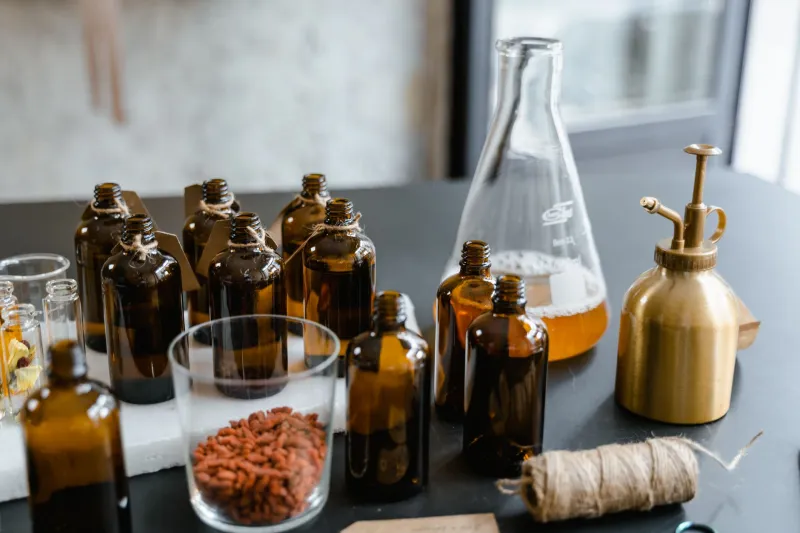
Dinner as a Full-Body Experience: How Georgia Chefs Are Cooking With Scent in Mind
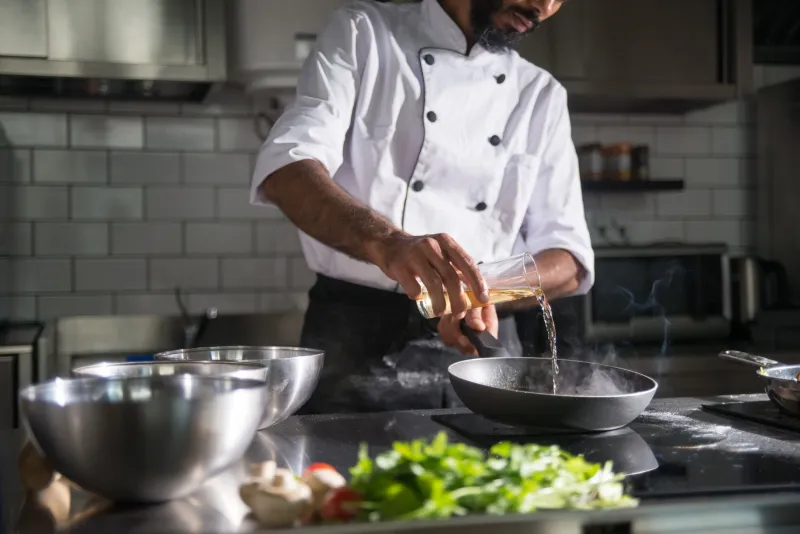
There's a moment that happens in a really good restaurant — before the fork even touches the plate — where something in your brain just opens up. The smell hits first. Then your mouth starts watering. By the time you actually take a bite, you're already halfway sold. Georgia chefs have always known that smell matters. But a growing number of them are taking it a lot further than just making sure the kitchen smells good. They're actively designing meals around aromatherapy principles, treating scent as a tool with the same intentionality they'd give to seasoning or plating.
It sounds a little out-there. But the science behind it is rock solid — and the dining experiences coming out of Georgia right now are proof that it works.
Your Nose Is Running the Show (Whether You Know It or Not)
Here's the basic neuroscience: what we call "flavor" is actually about 80 percent smell. Your taste buds handle the basics — sweet, salty, bitter, sour, umami. Everything else, all the complexity and nuance, gets filled in by your olfactory system. When you eat a peach cobbler and taste vanilla, brown sugar, and something almost floral underneath it all, that's your nose doing the heavy lifting.
The olfactory bulb — the part of your brain that processes scent — connects directly to the limbic system, which handles emotion and memory. That's why a certain smell can take you back to your grandmother's kitchen in a half second flat. It's also why the ambient scent in a dining space can physically alter how food tastes to you. Studies have shown that people rate the same wine as more complex when it's served in a room with subtle floral aromas. They find food saltier, sweeter, or more bitter depending on the background scent they're exposed to.
Georgia chefs paying attention to this research are essentially adding an invisible ingredient to every dish they serve.
What This Looks Like in a Georgia Kitchen
At a small farm-to-table spot in Athens, the chef has started finishing her lamb dishes with a few drops of food-grade rosemary essential oil diffused tableside — not on the plate, but in the air around it. "Rosemary already pairs perfectly with lamb," she explains. "But when you get that scent before the first bite, your brain is already primed. The herb flavor in the meat reads as deeper, more intentional."
Down in Savannah, a chef known for his low-country cuisine has been experimenting with cedarwood and vetiver aromatics in the dining room during his heavier courses — braised meats, rich stews, slow-cooked roots. Both of those essential oils have grounding, earthy profiles that mirror what's on the plate. The result, he says, is that guests feel more satisfied with smaller portions. The scent creates a psychological sense of fullness and warmth that the food alone doesn't quite achieve as quickly.
In Atlanta, a dessert-focused pop-up has been pairing lavender diffusion with honey-based sweets, leaning into what aromatherapists have long known: lavender softens the perception of sweetness and adds a kind of calm complexity that makes simple flavors feel more sophisticated. Guests consistently describe the desserts as "lighter" and "more elegant" than the ingredients would suggest.
None of these chefs have aromatherapy degrees. But they've all started reading about essential oil properties — what's grounding, what's uplifting, what sharpens focus, what opens appetite — and applying that knowledge to their menus.
The Georgia Ingredient Advantage
What makes this trend particularly exciting in Georgia is the access to genuinely local botanicals. Georgia-grown muscadine, sourwood honey, wild bergamot, longleaf pine resin, and Cherokee rose all have distinctive aromatic profiles that tie directly to the flavors of Southern cooking. A chef working with local sourwood honey can pair it with a diffused blend of beeswax and light floral notes. Someone building a peach-forward dessert menu can work with Georgia peach essential oil or a blend of apricot and ylang-ylang to amplify the stone-fruit perception before guests take a single bite.
The connection between Georgia's soil and its aromatics isn't just poetic — it's practical. Regional ingredients carry regional scent compounds. When the botanicals on the table and in the air come from the same general ecosystem, the pairing feels cohesive in a way that's hard to fake with imported oils.
Bringing It Home: Simple Scent-Flavor Pairings to Try
You don't need a restaurant kitchen or a culinary degree to start playing with this. A basic essential oil diffuser and a little curiosity is enough to start experimenting.
For a Southern BBQ spread: Try diffusing a small amount of cedarwood or hickory-adjacent smoke-based blend in the dining area before and during the meal. It reinforces the char and smoke notes in the meat and creates a more immersive outdoor-fire feeling even if you're eating inside.
For baked goods and desserts: Lavender and vanilla essential oil diffused lightly during serving makes sweet dishes feel more refined. It's especially effective with peach cobblers, honey cakes, or anything with a mild floral note already in the recipe.
For fresh salads and vegetable dishes: Lemon, grapefruit, or eucalyptus diffused at low levels brightens the perception of green, fresh flavors. Guests will find the vegetables taste crisper and more vibrant.
For rich, slow-cooked dishes: Vetiver, frankincense, or a Georgia pine resin blend creates a grounding, earthy atmosphere that complements braised meats, root vegetable stews, and anything cooked low and slow.
A few rules of thumb: keep diffusion subtle — you want background presence, not an overpowering cloud. Always use food-safe or therapeutic-grade essential oils if there's any chance of direct contact. And pay attention to how your guests respond. Scent is deeply personal, and what feels warming and appetizing to one person might feel medicinal to another.
The Bigger Picture
What Georgia's chefs are really doing here is closing a loop that got broken somewhere along the way. For most of human history, eating was a full sensory event. Food was cooked over open fires, served in herb-filled spaces, eaten outdoors surrounded by the smells of the season. Modern dining stripped a lot of that away in the name of consistency and control.
Bringing intentional scent back into the dining experience isn't a gimmick. It's a return to something older and more honest — the understanding that what we smell and what we taste have never really been separate things. Georgia, with its rich botanical landscape and its deep food traditions, might just be the perfect place to remember that.
Next time you're setting the table for something special, think about what the room smells like before the food arrives. It might be the most important ingredient you haven't been using.