Your Grocery Store Is a Pharmacy: Building a Working Apothecary From Georgia Pantry Staples
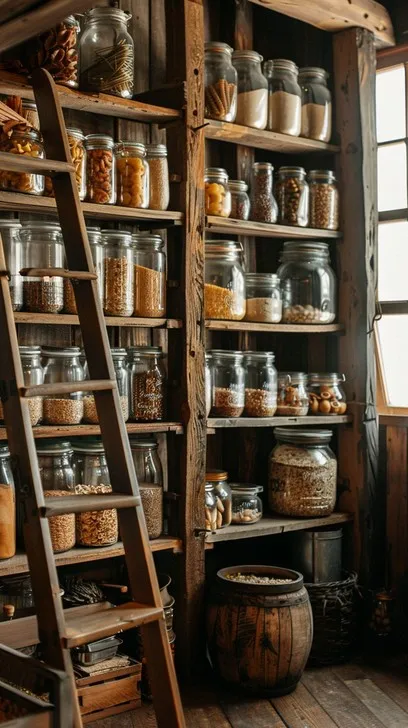
Photo: rustic Southern pantry shelf with jars of honey sorghum syrup garlic and dried herbs, via images.stockcake.com
Walk through any Georgia kitchen worth its salt and you'll find the beginnings of an apothecary. It just doesn't look like one yet.
The jar of sorghum syrup from the farmers market, the bag of black walnuts a neighbor shelled last fall, the garlic that's been on the counter since Tuesday — these are the raw materials of a tradition that predates the drugstore on the corner. And unlike a lot of wellness trends, most of these staples have real research behind them.
Start With What You Already Eat
The beauty of a pantry apothecary is that you're not buying anything exotic. You're just learning to see your groceries differently.
Garlic is the workhorse. Its active compound, allicin, has documented antimicrobial and cardiovascular benefits. Crush it fresh and let it sit for ten minutes before cooking — that rest period is when the allicin actually forms. A simple folk remedy that holds up: raw garlic minced into warm honey at the first sign of a scratchy throat.
Hot peppers, especially the cayennes and bird's eyes that thrive in Georgia summers, carry capsaicin. Beyond the kitchen burn, capsaicin creams are literally pharmacy products for minor aches. A pepper-infused oil made at home (more on that below) has been a Southern rubdown staple for generations.
Sorghum syrup isn't just for biscuits. It contains measurable antioxidants — phenolic compounds similar to those in molasses — along with iron, potassium, and B vitamins. Grandmothers reached for it during cold season for good reason: it soothes a throat and delivers nutrients while it does.
Black walnuts are the overlooked heavyweight. The hulls have a long history in traditional remedies, and the nuts themselves pack omega-3s and antioxidants at levels that shame cultivated English walnuts. If you've got a friend with a tree, cultivate that friendship.
Muscadine skins and seeds might be the most Georgia item on this list. Our native grape is loaded with ellagic acid and resveratrol — compounds studied for everything from heart health to inflammation. Most people spit out the skins. Don't.
Three Simple Preparations to Start
Pepper-infused oil: Fill a clean jar halfway with dried crushed peppers (dried is important — fresh peppers introduce water and risk spoilage). Cover with olive or grapeseed oil, cap it, and let it sit in a cool dark spot for two weeks, shaking occasionally. Strain through cheesecloth. Rub into sore muscles; keep it away from eyes and broken skin.
Sorghum cough syrup: Gently warm a half cup of sorghum syrup with a tablespoon of freshly grated ginger and the juice of half a lemon. Don't boil it — you're just coaxing the flavors together. A spoonful as needed. Refrigerate, and use it within a couple of weeks.
Muscadine skin vinegar: After you've eaten the fruit, collect the skins and seeds, drop them into a jar of apple cider vinegar, and steep for a month. Strain. Use it in vinaigrettes, or take a diluted spoonful before meals for digestive support.
Storage: Where Good Intentions Go to Die
An apothecary that spoils isn't an apothecary. A few rules:
- Keep oils dark and cool. Light is the enemy of infused oils. Amber jars, a pantry shelf, done.
- Dry everything before it touches oil. Water in an oil infusion invites bacteria and botulism risk. This is the one safety line you cannot blur.
- Label with dates. Herb-infused vinegars last six months to a year; oils are best used within a few months.
- Refrigerate anything with honey, syrup, or fresh plant material once it's been sitting around.
Know What a Pantry Can't Do
Here's the honest part. Garlic and sorghum are wonderful, but they don't replace medical care. A pantry apothecary handles the small stuff — the tickle in the throat, the sore shoulders after a long garden day. Anything persistent, serious, or scary belongs with a doctor. If you're on blood thinners, be especially careful with garlic and walnut preparations, which can amplify their effects.
The Point Isn't the Medicine
Somewhere along the way, the act of making a remedy — simmering, steeping, labeling a jar in your own handwriting — became the point. It's slower than clicking order on a supplement website, and that slowness is the feature. You know every ingredient because you bought it, prepped it, and watched it become something.
That's not just wellness. That's a Georgia kitchen doing what Georgia kitchens have always done.