Grown at Home, Sold With Purpose: Inside Georgia's Quiet Botanical Micro-Economy
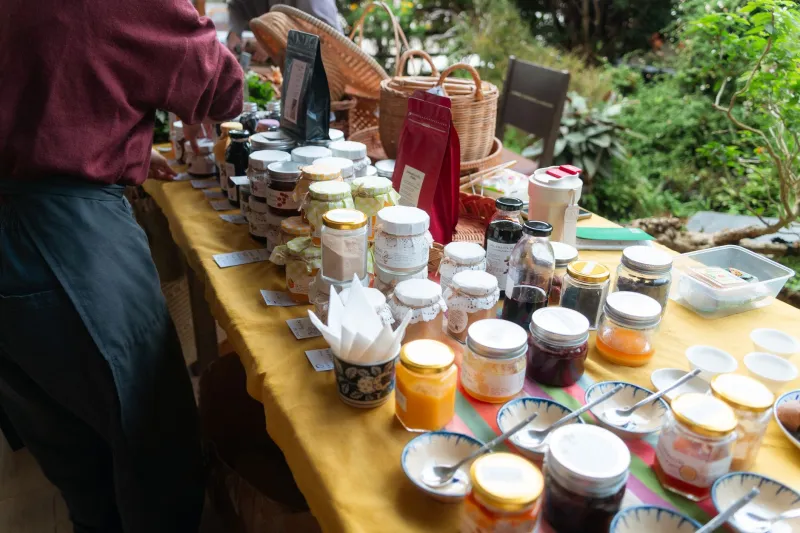
The operation doesn't look like a business from the road. It looks like a well-tended backyard in a mid-sized Georgia town — raised beds, a greenhouse addition, a shed that smells strongly of lavender and cedar. But inside that shed, Denise has been filling orders for her botanical wellness line for going on four years. Last year, she grossed just over $38,000 from plants she grew herself.
She's not alone. Across Georgia, from the mountain counties of the north to the coastal plain in the south, a quiet but expanding micro-economy of home growers and kitchen-scale distillers is building something that looks increasingly like a real industry. They're selling at farmers markets, through Instagram, on Etsy, and increasingly through direct relationships with local wellness shops, spas, and restaurants. Some are clearing grocery-store wages. A few are doing better than that.
This is the story of how they're doing it, what the landscape actually looks like, and what anyone thinking about joining them should understand before they plant their first seed with commercial intent.
The Market That Opened the Door
The timing matters. Between 2019 and 2024, consumer interest in natural wellness products, locally sourced botanicals, and chemical-free alternatives to conventional health products grew at a pace that surprised even optimistic industry watchers. The pandemic pushed people toward home remedies, backyard gardens, and distrust of supply chain-dependent products. That shift didn't fully reverse.
At the same time, the big wellness brands — the ones selling essential oils through multi-level structures or marketing "pure" botanicals sourced from overseas suppliers — accumulated enough consumer skepticism to create genuine opening for local, transparent alternatives. When a customer at a Georgia farmers market can look at the grower, ask where the lavender was grown, and get a specific county as an answer, that's a differentiator that no national brand can buy.
Georgia's climate adds another layer of advantage. The state's range of growing zones — from the cool mountain elevations of Towns and Rabun counties to the subtropical coastal plain — means an unusually wide variety of aromatic and medicinal herbs can be grown domestically. Lavender, holy basil, lemon balm, native mints, spilanthes, elderflower, tulsi, passionflower, and dozens more are viable crops across different parts of the state. That botanical diversity is a supply chain asset.
What People Are Actually Growing and Selling
The product categories in Georgia's backyard botanical economy break down roughly into four areas:
Fresh and dried herbs remain the most accessible entry point. Low startup cost, fast turnaround, and consistent demand from restaurants, home cooks, and herbalists. Margins on dried herbs at farmers markets are strong — often 400–600% over production cost for specialty varieties — though volume is limited without scale.
Small-batch essential oils require more investment. A quality copper still runs anywhere from $300 to several thousand dollars depending on capacity, and the learning curve for producing consistent, high-quality distillates is real. But the ceiling is higher. Georgia-grown lavender oil, sourced and distilled locally, commands prices that bulk imported oil simply cannot match in the right retail context.
Value-added botanical products — salves, tinctures, infused honeys, herbal tea blends, botanical room sprays — represent the highest margin category for most home operators. The production cost is modest, the perceived value is high, and the storytelling potential (who grew it, where, how) is enormous in a market that increasingly buys the story along with the product.
Culinary botanical products — infused vinegars, herb salts, botanical cocktail syrups, dried spice blends using Georgia-grown ingredients — are a growing niche that bridges the gap between food culture and wellness culture in ways that resonate strongly with Georgia's current food scene.
The Legal Landscape (And Where It Gets Complicated)
This is where the conversation gets more nuanced, and where anyone building a botanical business in Georgia needs to pay attention.
Selling dried herbs and most culinary products falls under relatively accessible regulatory frameworks. Georgia's Cottage Food Law allows home producers to sell certain food products directly to consumers without a commercial kitchen license, though the list of approved products has specific parameters and sales caps that have evolved over time. Anyone operating under this framework should verify current state guidelines directly with the Georgia Department of Agriculture, as rules change.
Essential oils and topical wellness products enter murkier territory. The FDA's position on products marketed with health claims is strict — a botanical salve sold as a "healing balm" with specific therapeutic language can draw regulatory attention in ways that the same product sold as a "moisturizing botanical blend" does not. Most successful small operators learn this distinction early, often the hard way.
Tinctures and anything that crosses into the territory of dietary supplements require a different level of compliance awareness. Several Georgia home producers interviewed for this piece described consulting with a small-business attorney before launching, a step that cost a few hundred dollars and saved considerably more in potential headaches.
The short version: the legal framework is navigable, but it requires homework, and the homework is worth doing before you sell your first jar.
Three Georgia Growers, Three Different Paths
Denise, middle Georgia: Started with a surplus of homegrown lavender, discovered she could sell dried bundles at a local market faster than she could harvest them, and expanded from there. Now runs a full product line including dried herbs, botanical room sprays, and a lavender-infused honey collaboration with a local beekeeper. Sells primarily through two farmers markets and a private online shop. No outside investment, no loans.
Marcus, North Georgia mountains: Trained as an electrician, started growing medicinal herbs as a side project during a slow work period, and discovered that his mountain-zone growing conditions produced herb quality that lowland growers couldn't replicate. Now supplies dried tulsi, lemon balm, and elderflower to three regional wellness shops and a small tea company. Treats it as a serious second income rather than a primary business.
Tanya, coastal Georgia: Focuses almost entirely on sweetgrass and native coastal botanicals, working within the Gullah Geechee cultural tradition of sweetgrass craft and wellness products. Her business is intentionally small and community-rooted, supplying local cultural organizations and selling at select markets. Revenue is modest but the work carries meaning that she describes as non-negotiable.
What It Actually Takes
Anyone romanticizing the backyard botanical business should spend a summer harvesting lavender in Georgia heat before committing. The physical labor is real, the margins require volume to matter, and the market — while genuinely open — is also increasingly competitive as more people recognize the opportunity.
What separates the operations that sustain themselves from the ones that fade after a season or two tends to come down to a few things: product specificity (trying to grow everything for everyone rarely works), genuine quality (customers who buy once and notice the difference between a real Georgia-grown botanical product and a relabeled import become loyal fast), and a willingness to invest in the storytelling that makes local provenance meaningful to buyers.
The growers who are building something durable aren't just farming. They're building relationships — with customers, with chefs, with other makers — that create demand that outlasts any single product or season.
Georgia's soil is generous. The market is real. The work is honest. That combination, it turns out, is enough.