That Kudzu Smells Great. Leave It There Anyway.
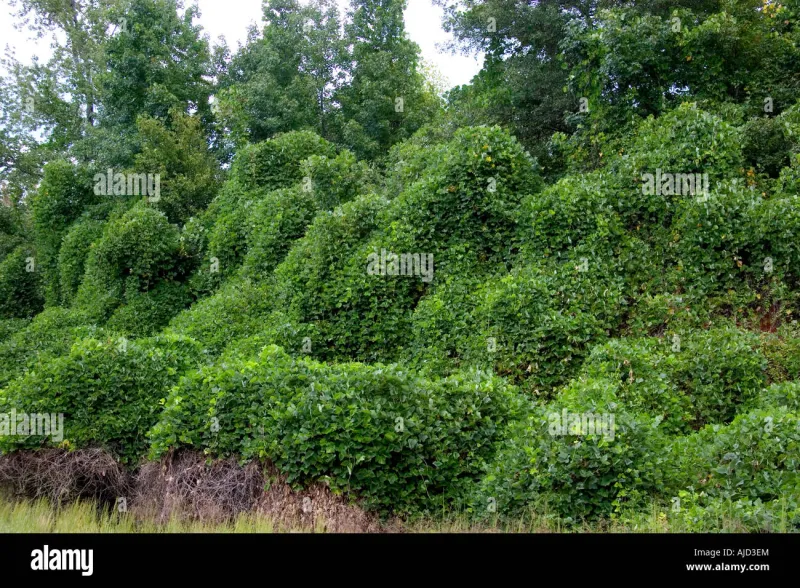
Photo: kudzu vines covering trees along Georgia highway roadside in summer, via www.alamy.com
Drive I-16 in late summer and you'll pass an acreage of green so aggressive it looks like the state lost a fight. Kudzu drapes the pines. Wild daisies crowd the exit ramps. Somewhere near the shoulder, something purple and fragrant is blooming its heart out with no witnesses.
And if you're the kind of person who reads this site, a thought crosses your mind: that's free.
Resist it. Here's why.
The Median Is Not a Meadow
Roadside plants have one job in the ecosystem, and it isn't feeding you. They're the state's first line of absorption for everything the asphalt produces — heavy metals from brake dust, hydrocarbons from exhaust, zinc and cadmium washed off the pavement with every rain.
Studies of roadside vegetation across the Southeast have repeatedly found elevated lead and heavy metal content in plants growing near high-traffic roads, sometimes extending dozens of feet from the pavement. Those compounds don't rinse off. They're in the plant tissue itself, which means no amount of washing your harvest makes it clean.
Then there's the herbicide question. DOT crews spray medians and rights-of-way on schedules most of the public never sees. A fragrant patch of wild chamomile-lookalike daisies might be flourishing because it sprouted after the last spraying — in soil that was cleared for exactly that reason.
The Temptation Is Understandable
Look, I get the appeal, and I'm not going to pretend otherwise. Kudzu, for all its reputation as the vine that ate the South, has a legitimate traditional-medicine resume — its roots have been used for centuries in East Asian medicine, and researchers have studied kudzu compounds for everything from alcohol cravings to inflammation. Wild daisies in the chamomile family look and smell the part. The pull toward free, abundant, locally-grown botanicals is the whole ethos of this website.
But abundance is a trap when the abundance exists because the plant tolerates conditions everything else can't. Kudzu thrives beside highways partly because it shrugs off pollution and poor soil. That's not a superpower you want in your tea.
What the Roadside Actually Tells Us
Here's the more interesting angle: the plants along Georgia's highways are a living map of how the state's botanical landscape is shifting.
Invasives like kudzu, privet, and Chinese lespedeza dominate the disturbed corridors, crowding out the native sweetshrubs and mountain mints that once fragranced these routes. Vacant lots in Atlanta and Macon fill with the same cosmopolitan weeds you'd find in Raleigh or Birmingham. The roadside, in other words, is a preview of a homogenized botanical future — the same handful of tough, tolerant, fragrant-but-ordinary species everywhere.
Appreciate it like a museum exhibit. Photograph it. Notice it. Just don't bring it home.
Where to Forage Instead
The good news is that Georgia offers legitimate alternatives within an easy drive:
- State parks and wildlife management areas — many allow personal-use foraging with a permit or within posted rules. Call the park office first.
- Your own neighborhood, away from roads — backyard edges and wooded lots set back from pavement are a different risk category entirely.
- Farmers and growers — several Georgia herb farms will let you harvest or sell you bulk cuttings of the same plants you'd eye from the interstate.
- National forests — the Chattahoochee-Oconee allows personal-use collection of many botanicals; check current Forest Service guidelines.
The difference isn't just chemistry — it's knowing the ground your plants grew in. That's the whole point of eating and healing locally in the first place.
The Rule Worth Keeping
If you remember one thing, make it this: a plant's fragrance tells you what it is, not what it absorbed. That kudzu blossom smells sweet because of what the plant makes, not what the road gave it.
Georgia's roadsides are worth noticing. They're a free botany lesson rolling past your windshield. But the best thing you can harvest from them is the habit of looking — and then going somewhere cleaner to gather the real thing.