Plant It Once, Protect It Forever: Georgia's Aromatic Botanicals That Send Pests Packing
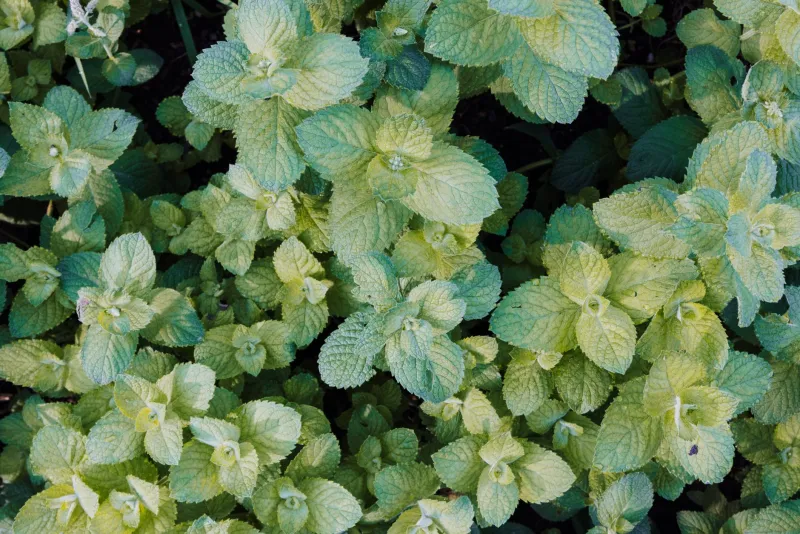
Every summer, the same ritual plays out across Georgia neighborhoods. The hardware store runs low on DEET. Garage shelves get lined with aerosol cans. And somewhere between the fire ants and the pantry moths, people start wondering if there's a better way.
There is. And it's been growing in Georgia's soil for centuries.
Native aromatic plants — the kind your grandmother might have tucked into a drawer or hung from a porch rafter — carry chemical compounds that pests genuinely cannot stand. This isn't folk superstition. It's plant biology doing exactly what it evolved to do. Understanding which plants work, why they work, and when to use them in Georgia's specific pest calendar turns your garden and pantry into a chemical-free defense system that actually holds up.
Why Aromatic Plants Are Basically Pest Warfare in Disguise
Plants that produce strong scents aren't doing it for our benefit. They're communicating, defending, and deterring. The same volatile organic compounds — terpenes, phenols, aldehydes — that make Georgia cedar smell like a forest and native mint smell like a summer afternoon are deeply offensive to the nervous systems of many insects and rodents.
Mosquitoes navigate by carbon dioxide and certain body odor compounds. Strong aromatics like citronella-adjacent plants, pennyroyal, and native lemon balm essentially scramble that signal. Pantry pests — weevils, grain moths, beetles — rely on scent to locate food sources. Cedar, bay laurel, and lavender interrupt that search. Rodents, with their extraordinary olfactory sensitivity, find concentrated aromatic oils genuinely distressing and tend to route around them.
None of this requires synthetic chemistry. It requires knowing which plants to grow and where to put them.
Georgia's Pest Season Timeline (And What to Plant When)
Georgia doesn't have one pest season. It has several, stacked on top of each other from late February through November. A good botanical defense strategy maps to that reality.
Late Winter to Early Spring (February–March): This is when overwintering pests start moving. Ants begin scouting, and pantry moths that hitched a ride in holiday baking supplies start emerging. Start here with eastern red cedar — Georgia grows it abundantly, and its wood shavings or small sachets placed in pantry corners and cabinet drawers are remarkably effective against both moths and weevils. The compound thujaplicin, present in cedar heartwood, disrupts insect larvae development.
Late Spring (April–May): Mosquito season opens for business. Plant native horsemint (Monarda punctata) along garden borders and in containers near outdoor seating. Horsemint contains thymol, the same active compound in commercial insect repellents, but in a living, continuously-releasing form. It's drought-tolerant, loves Georgia's sandy soils, and blooms in ways that also attract beneficial pollinators — a rare double win.
Summer (June–August): Peak pressure from everything. Fire ants, mosquitoes, gnats, pantry beetles, and the ever-present fruit fly. This is the season to lean hard on native pennyroyal, sweetgrass, and Georgia wild bergamot. Pennyroyal planted along garden walkways discourages ants from establishing trails. Sweetgrass braided and hung near kitchen windows is a traditional Lowcountry practice that modern research has started to validate — the coumarin compounds in sweetgrass are effective against several stored-product insects.
Fall (September–October): Rodents begin looking for winter shelter. Cedar sachets graduate from pantry duty to garage corners and crawl space entry points. Add dried Georgia bay (Persea borbonia) leaves to the mix — bay contains 1,8-cineole and other compounds that rodents find actively aversive.
DIY Blends for Every Room in the House
You don't need a chemistry degree. You need a few dried botanicals, some cheesecloth, and about twenty minutes.
Pantry Sachet Blend: Combine dried eastern red cedar shavings, whole dried bay leaves, and a small amount of dried lavender. Tie into cheesecloth squares and place on pantry shelves, especially near grains, flour, and dried fruit. Replace every three months or when the scent fades.
Garden Border Spray: Steep fresh horsemint, pennyroyal, and a handful of Georgia-grown rosemary in boiling water for thirty minutes. Strain, cool, and transfer to a spray bottle. Apply to garden borders, around compost bins, and along fence lines every week during peak summer. It won't harm pollinators once dry, and it degrades cleanly into the soil.
Kitchen Window Deterrent: A small bundle of dried sweetgrass hung near an open window — particularly the ones facing your yard — acts as a passive barrier against flying insects. Refresh the bundle when it loses its grassy, vanilla-adjacent scent.
Outdoor Seating Area Blend: Plant horsemint and lemon balm in containers grouped near your porch or patio furniture. Living plants release their volatile compounds continuously, which is actually more effective than a single application of a bottled spray. Add a few sticks of smoldering dried sweetgrass in a fireproof dish on still evenings when mosquitoes are worst.
The Placement Strategy That Makes All of It Work
The plants and blends matter, but placement is where most people underperform. A sachet buried behind a stack of canned goods does almost nothing. The same sachet placed at the entry points of a shelf — front corners, near cracks and gaps — creates a scent barrier that pests cross reluctantly.
In the garden, aromatic plants work best as borders rather than isolated specimens. A continuous line of horsemint or pennyroyal at the garden's edge creates a scent threshold that insects associate with an unfavorable environment. Scattered plants here and there don't produce the same effect.
For rodents, the goal is to make entry points smell wrong. Cedar shavings tucked into gaps in baseboards, garage door seals, and crawl space vents — combined with dried bay leaves in corners — layers the deterrence in a way that's genuinely hard for a mouse to navigate around.
Growing Your Own Defense
Most of these plants are low-maintenance to grow in Georgia's climate. Horsemint, lemon balm, and wild bergamot thrive in full sun with minimal watering once established. Eastern red cedar is practically indestructible and grows across most of the state. Sweetgrass requires a bit more attention — it prefers coastal plain conditions and consistent moisture — but it's increasingly available from Georgia native plant nurseries.
The investment is a few afternoons of planting and a small amount of ongoing harvesting. What you get back is a home that smells genuinely good, a garden that handles its own pest management, and the quiet satisfaction of knowing exactly what's protecting your family and your food.
Your neighbors are buying more spray. You're just gardening.